Zero-based budgeting requires justifying every expense from scratch for each new budgeting period, rather than simply adjusting the previous period's budget slightly upward or downward, which is how many small businesses budget by default.
This approach forces a business owner to actively question whether each cost category still makes sense at its current level, often revealing spending that has continued out of habit rather than genuine ongoing need.
While more time-consuming than simply adjusting a prior budget, zero-based budgeting can be particularly valuable during periods of significant change, such as after a major cost increase or a shift in business strategy.
Smaller businesses can apply a simplified version of this approach periodically, perhaps annually, rather than for every single budgeting cycle, capturing much of the benefit without the full ongoing administrative burden.
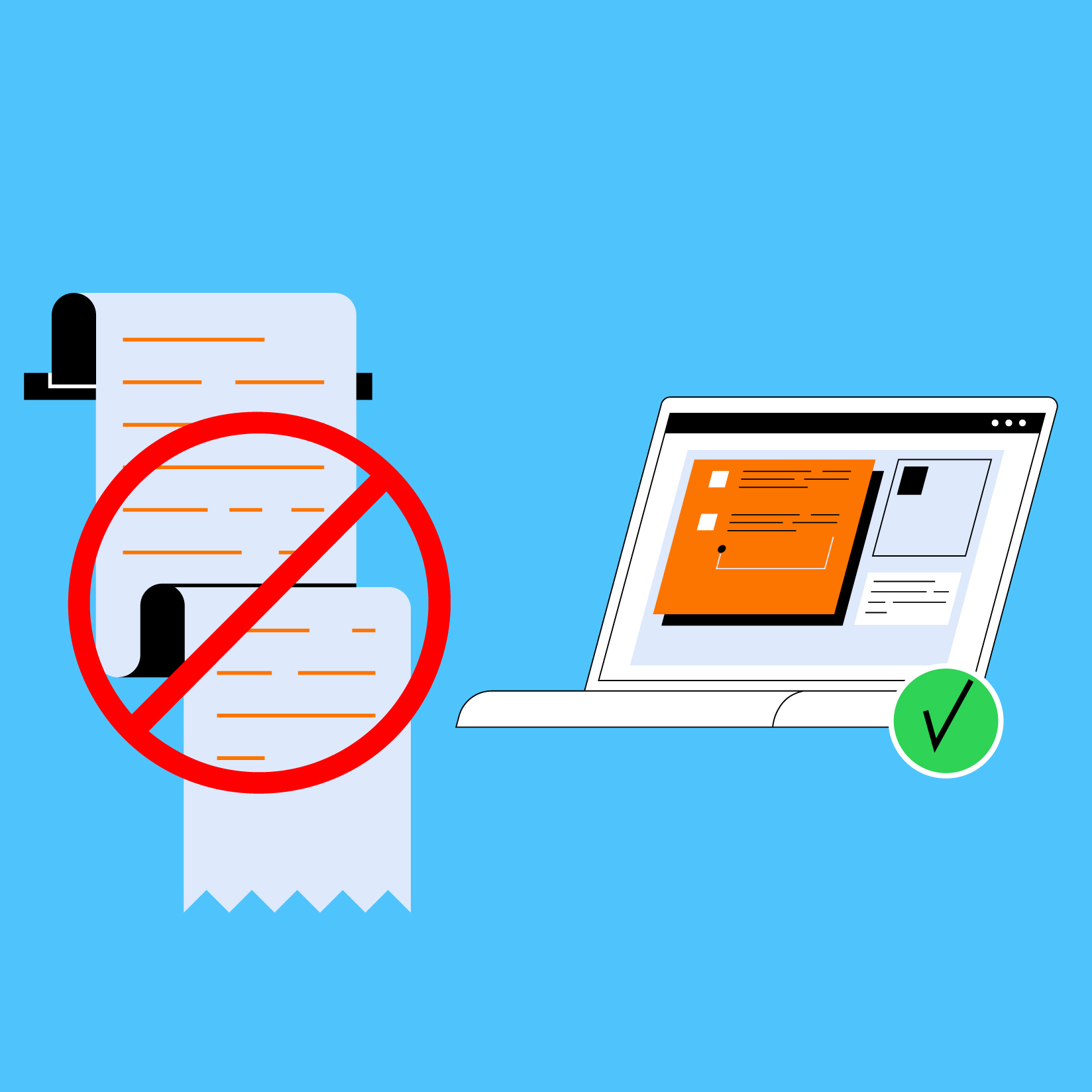
Conducting this kind of thorough budget review is considerably easier with a full year of organized expense data available, which is where consistent digital record keeping through a service like paperlesskenya.co.ke proves genuinely useful.
Businesses that find the full zero-based approach too time-consuming to apply across every cost category can still capture much of its value by applying it selectively to a few of the largest or most questionable expense categories each year, rather than either committing to the full exercise annually or abandoning the discipline altogether in favor of simple incremental adjustments.
Even applied selectively, zero-based thinking consistently uncovers savings that a purely incremental budgeting habit would otherwise leave undiscovered indefinitely.
Even applied selectively, this kind of thinking consistently uncovers savings that a purely incremental habit would otherwise leave undiscovered.
This kind of consistent, quiet discipline remains one of the clearest, most practical paths toward genuine long-term business resilience in an unpredictable environment.
Businesses willing to apply this discipline periodically consistently uncover savings that a purely incremental approach would otherwise leave undiscovered indefinitely.
 Paperless