Businesses acquiring significant equipment, whether vehicles, machinery, or specialized tools, face a recurring decision between purchasing outright and leasing, each with different implications for cash flow, taxation, and long-term cost.
Leasing typically preserves cash by spreading cost over time and can be attractive for equipment that becomes outdated quickly or is needed only temporarily, though total lease payments over time often exceed the outright purchase price.
Purchasing outright, whether with cash or a loan, builds an asset the business owns and can eventually sell or use as collateral, and may offer capital allowance tax benefits that leasing arrangements do not provide in the same way.
The right choice depends on the business's current cash position, how long the equipment is expected to remain useful, and whether ownership itself, rather than simply access to the equipment, provides meaningful value to the business.
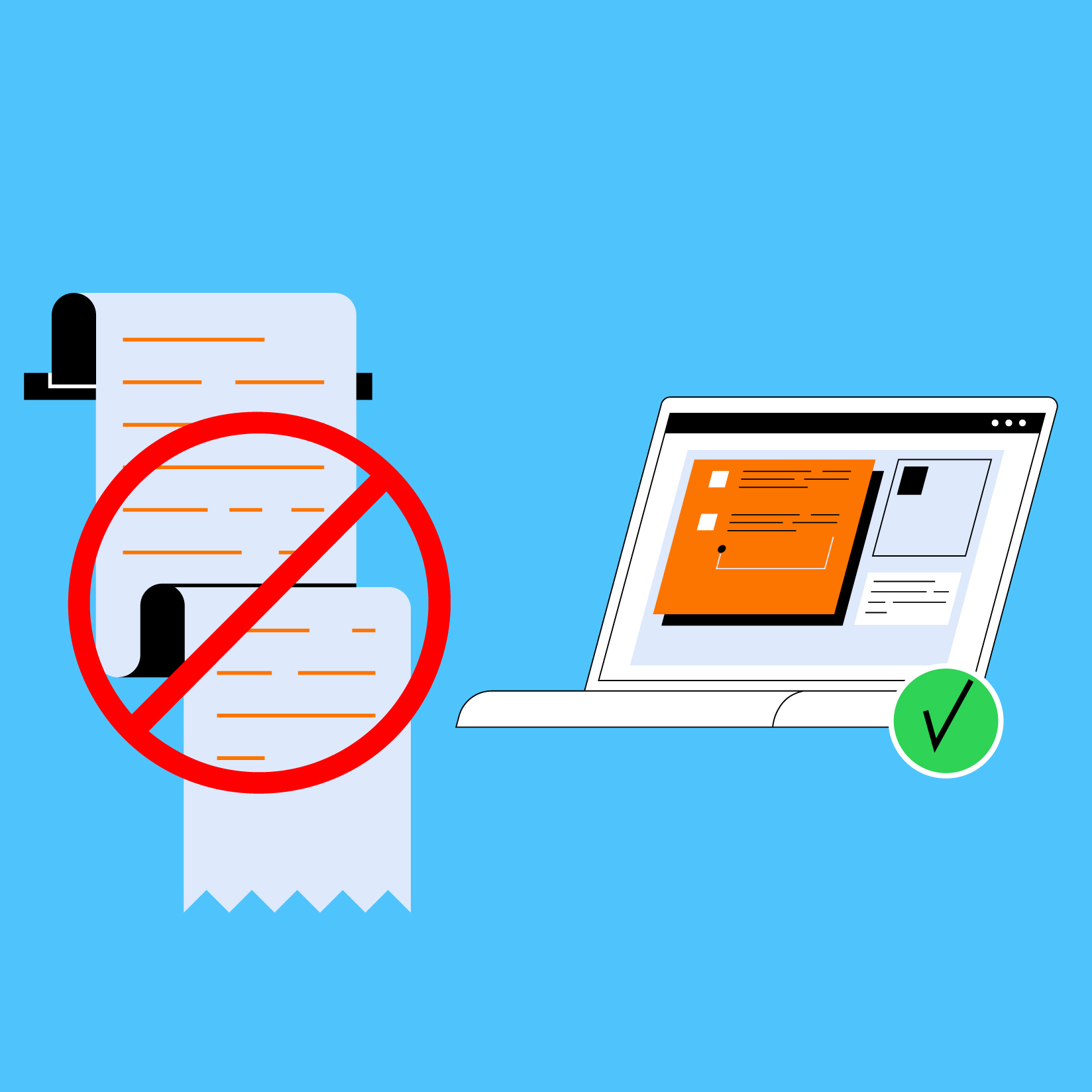
Whichever option is chosen, keeping lease agreements or purchase records organized digitally, through a service like paperlesskenya.co.ke, supports both accurate financial reporting and any future decision about replacing or upgrading the equipment.
Businesses weighing this decision should also model the total cost of each option over the full expected useful life of the equipment, rather than comparing only the immediate cash outlay, since a leasing arrangement that looks cheaper month to month can sometimes cost considerably more in total over several years than an outright purchase would have. Consulting with an accountant about the specific tax treatment of each option for the business's particular situation often reveals a clearer financial case for one approach over the other than intuition alone would suggest.
Careful modeling of the full cost of leasing versus buying consistently leads to better equipment decisions than comparing headline costs alone.
Careful modeling of full costs consistently leads to better equipment decisions than comparing headline figures alone.
This kind of quiet, sustained effort is exactly what experienced entrepreneurs mean when they describe the unglamorous work behind an apparently successful business.
 Paperless