A balance sheet shows what a business owns and owes at a specific point in time, and preparing one, even a simple version, gives a small business owner insight that a profit and loss statement alone cannot provide.
Assets include everything the business owns of value, from cash and stock to equipment and money owed by customers, typically organized from most liquid, such as cash, to least liquid, such as property.
Liabilities include everything the business owes, from supplier invoices and loans to any outstanding statutory obligations, and should be listed clearly by what is due soon versus what is due further in the future.
Subtracting total liabilities from total assets gives owner's equity, representing the true value of the business after everything owed has been accounted for, a figure worth tracking over time rather than only calculating once.
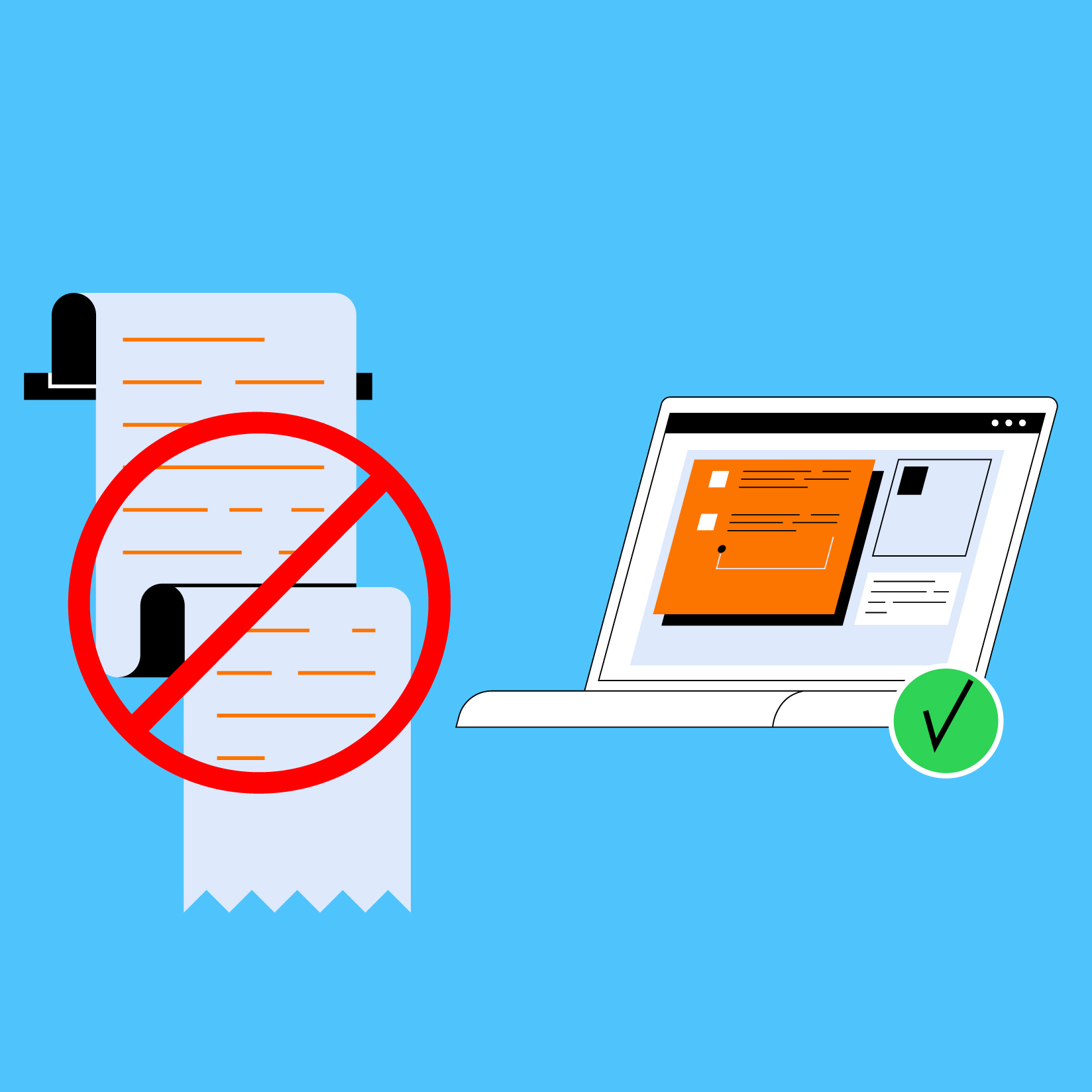
An accurate balance sheet depends on complete, up-to-date records of assets and liabilities, which organized digital record keeping through a service like paperlesskenya.co.ke makes considerably easier to maintain consistently.
Reviewing your balance sheet alongside your profit and loss statement gives a far more complete picture of financial health than either report alone.
A simplified version listing major assets and liabilities is sufficient for most small businesses, with a more detailed formal balance sheet becoming more relevant as the business grows or seeks investment.
Reviewing your balance sheet alongside your profit and loss statement gives the fullest possible picture of your business's financial health.
Begin with just your cash and stock figures if a full balance sheet feels daunting, then gradually add other categories as the habit becomes more comfortable and familiar.
 Paperless