Offering credit to customers can be a powerful way for a small business to win and retain clients, particularly in business-to-business trade, but it also introduces real risk if not managed carefully, since unpaid invoices are effectively free loans to customers.
Before extending credit, it helps to assess a customer's payment history and set clear, written terms covering the credit limit, payment deadline, and any penalty for late payment. Vague or verbal agreements are far harder to enforce and often lead to disputes about what was actually agreed.
Once credit is extended, tracking outstanding balances by customer and by age, how long each invoice has been outstanding, highlights which accounts need urgent follow-up before they become a serious bad debt. Following up promptly and consistently, rather than waiting until an amount becomes uncomfortably large, significantly improves collection rates.
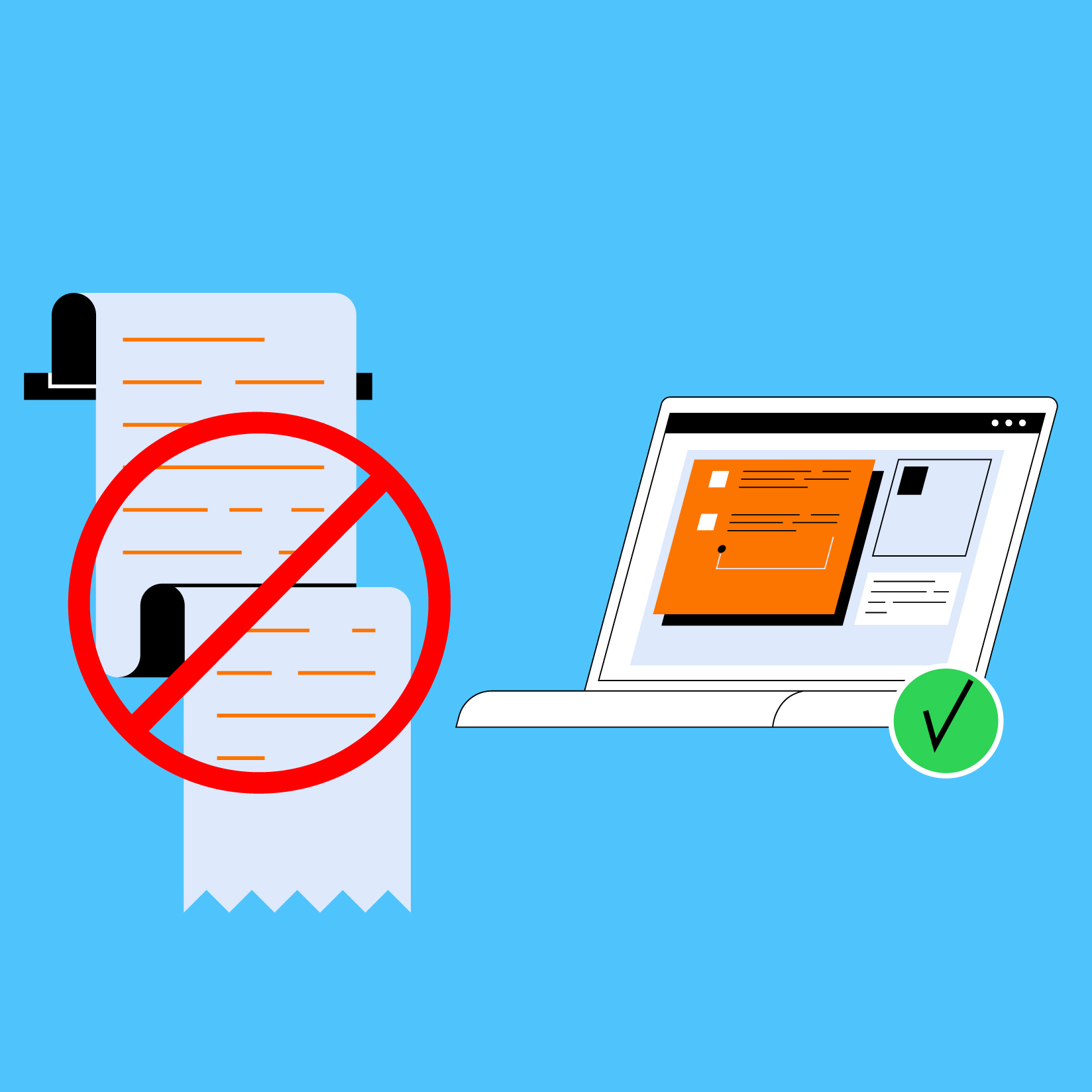
Businesses that maintain organized digital records of invoices and payments, for example through a platform like paperlesskenya.co.ke, are able to generate this kind of aging analysis quickly and follow up with accurate figures, rather than relying on memory about who owes what and since when.
Businesses that extend credit broadly should also consider whether a modest interest or late fee for overdue accounts, clearly stated in advance, might improve payment discipline among customers who would otherwise deprioritize a business that does not enforce its own terms.
Businesses should also consider requiring a partial deposit for larger credit orders, which reduces the total amount at risk if a customer ultimately fails to pay the remaining balance in full.
Clear credit terms, consistently enforced, protect cash flow without necessarily damaging valued customer relationships.
These practices, applied consistently, protect a business's cash position without necessarily damaging valued customer relationships.
Clear, consistently enforced credit terms protect a business's cash position while still allowing it to offer the flexibility that many customers genuinely value.
 Paperless