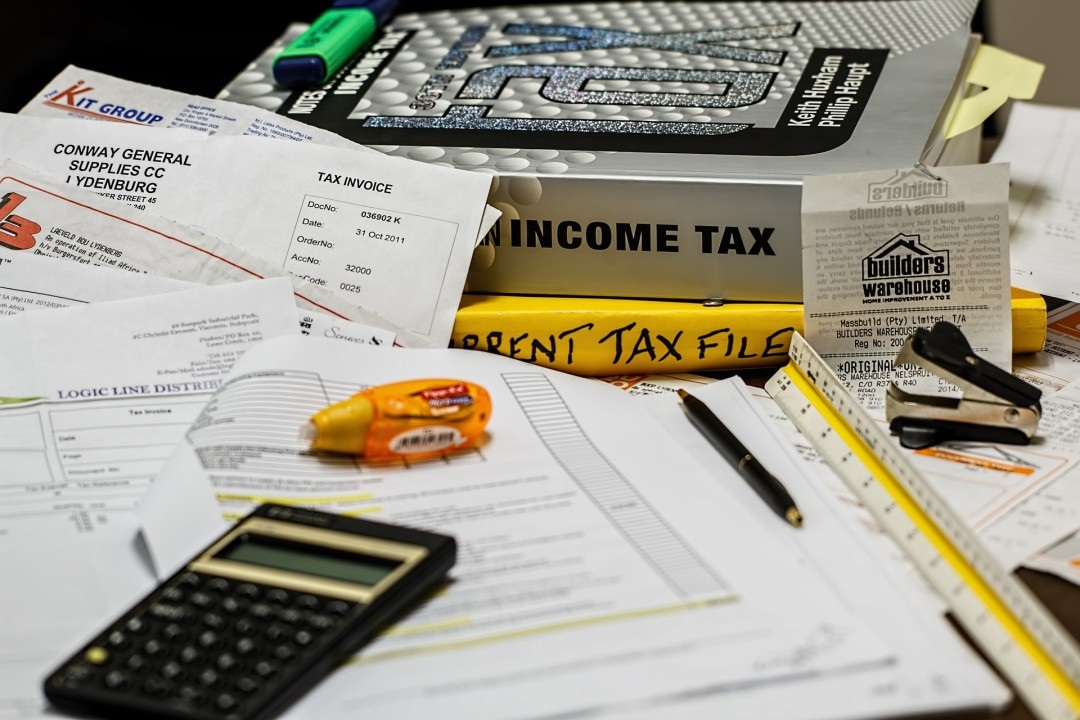
Business owners in Kenya frequently ask how long they actually need to keep old receipts, invoices, and financial statements before it is safe to dispose of them.
KRA generally expects businesses to retain records supporting their tax returns for a number of years following the relevant filing, since the tax authority retains the right to review or audit filings within that window.
Certain records, including those relating to significant assets, property purchases, or ongoing legal matters, are worth retaining considerably longer than the standard minimum, since they may be needed well beyond a typical filing review period.
Disposing of records before the appropriate retention period ends can leave a business unable to defend a filed return if questioned, potentially resulting in disallowed expenses and an increased tax liability.
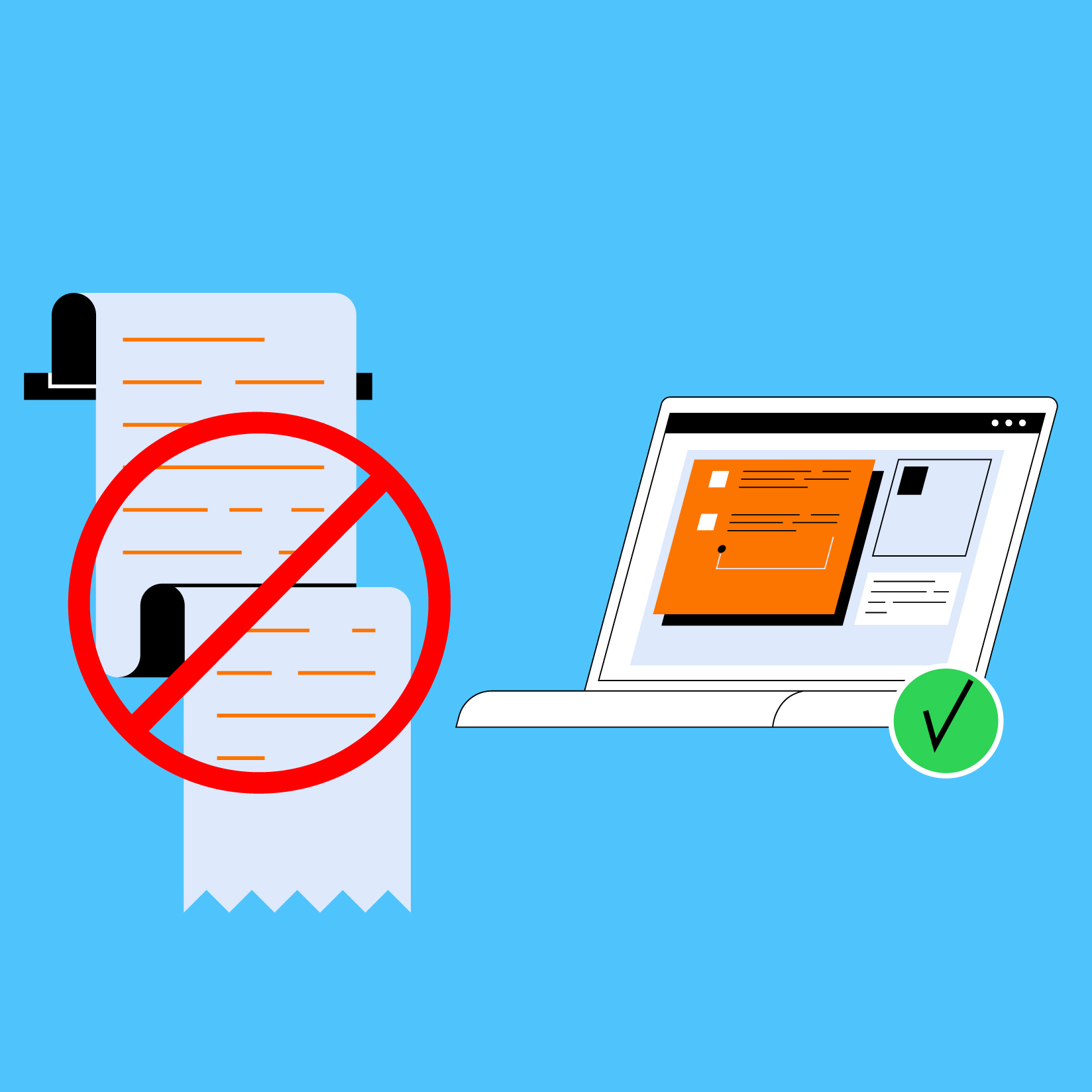
Long-term physical storage of paper records is costly and space-consuming, making digital archiving through a service like paperlesskenya.co.ke a far more practical way to retain years of documentation without cluttering office space.
When in doubt, retaining a record slightly longer than the minimum required period is a small cost compared to the risk of disposing of it too soon.
No; a tax invoice must include specific details such as VAT amounts and PIN numbers, so a simple, informal invoice missing these elements may not qualify for VAT purposes.
When in doubt about how long to keep a record, keeping it slightly longer than the minimum is the safer, lower-risk choice.
When genuinely uncertain whether a specific document is still needed, retaining it costs little in digital storage but could save considerable difficulty if it is ever requested unexpectedly.
 Paperless