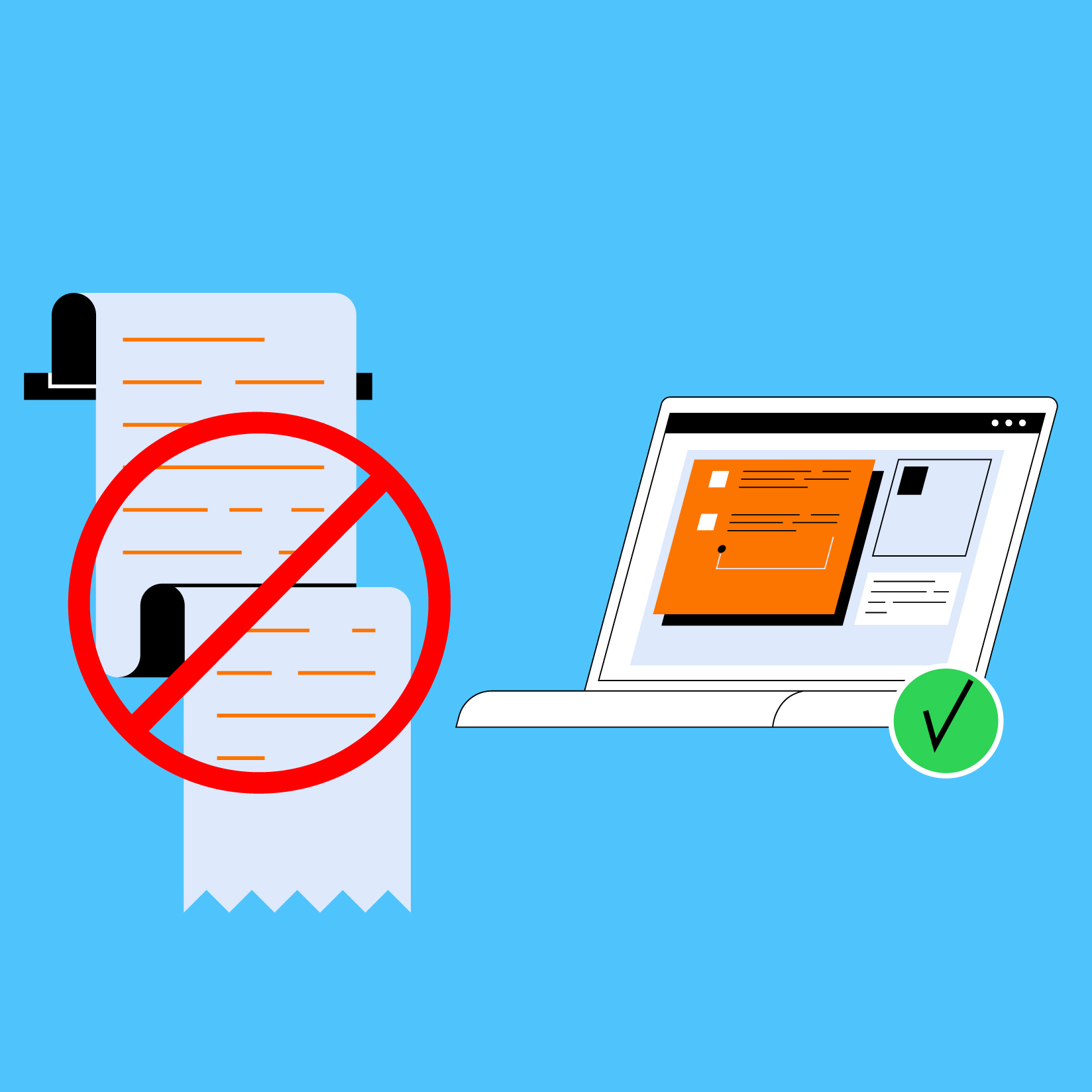
As Kenyan businesses move away from paper receipt books, a growing range of digital receipt apps now offer a faster, more organized, and increasingly compliant alternative for recording every sale.
Digital receipts are harder to lose, easier to search, and increasingly expected by both customers and tax authorities as Kenya's broader push toward electronic invoicing continues to expand across more business categories.
For very small businesses, a lightweight mobile app that generates and sends a digital receipt via SMS or WhatsApp offers an easy first step away from paper without requiring significant investment or technical skill.
Businesses required to comply with eTIMS need a solution that generates receipts compliant with KRA's electronic invoicing requirements, which increasingly means choosing software specifically built or approved for this purpose.
Beyond generating receipts, storing them securely and searchably over the long term matters just as much, which is where a dedicated document storage service like paperlesskenya.co.ke complements whichever receipt app a business chooses to use.
Moving to digital receipts is a modest change that quietly compounds into significantly better records over the course of a year.
Not necessarily; a digital receipt sent via SMS, WhatsApp, or email is generally sufficient, though some customers may still request a printed copy, which most digital systems can also produce.
Moving to digital receipts is a small change that compounds into significantly more reliable, searchable records over time.
If you have not tried a digital receipt option yet, generating just one for your next sale is a low-risk way to see how naturally it fits your existing routine.
This small shift in how receipts are handled quietly compounds into significantly more reliable records over the course of a year.
 Paperless