Choosing the right business bank account affects daily cash flow, transaction costs, and how easily a business can eventually access credit, making the decision worth more thought than simply picking a familiar bank.
Comparing monthly maintenance fees, transaction charges, and mobile banking costs across banks reveals meaningful differences, particularly for businesses processing a high volume of small transactions.
For most small businesses, strong mobile banking features, including easy mobile money integration, matter more day-to-day than a branch network, since most routine banking now happens without visiting a physical branch.
Some banks offer more accessible credit products to existing business account holders, so it is worth considering a bank's lending reputation for businesses of your size, not just its account fees.
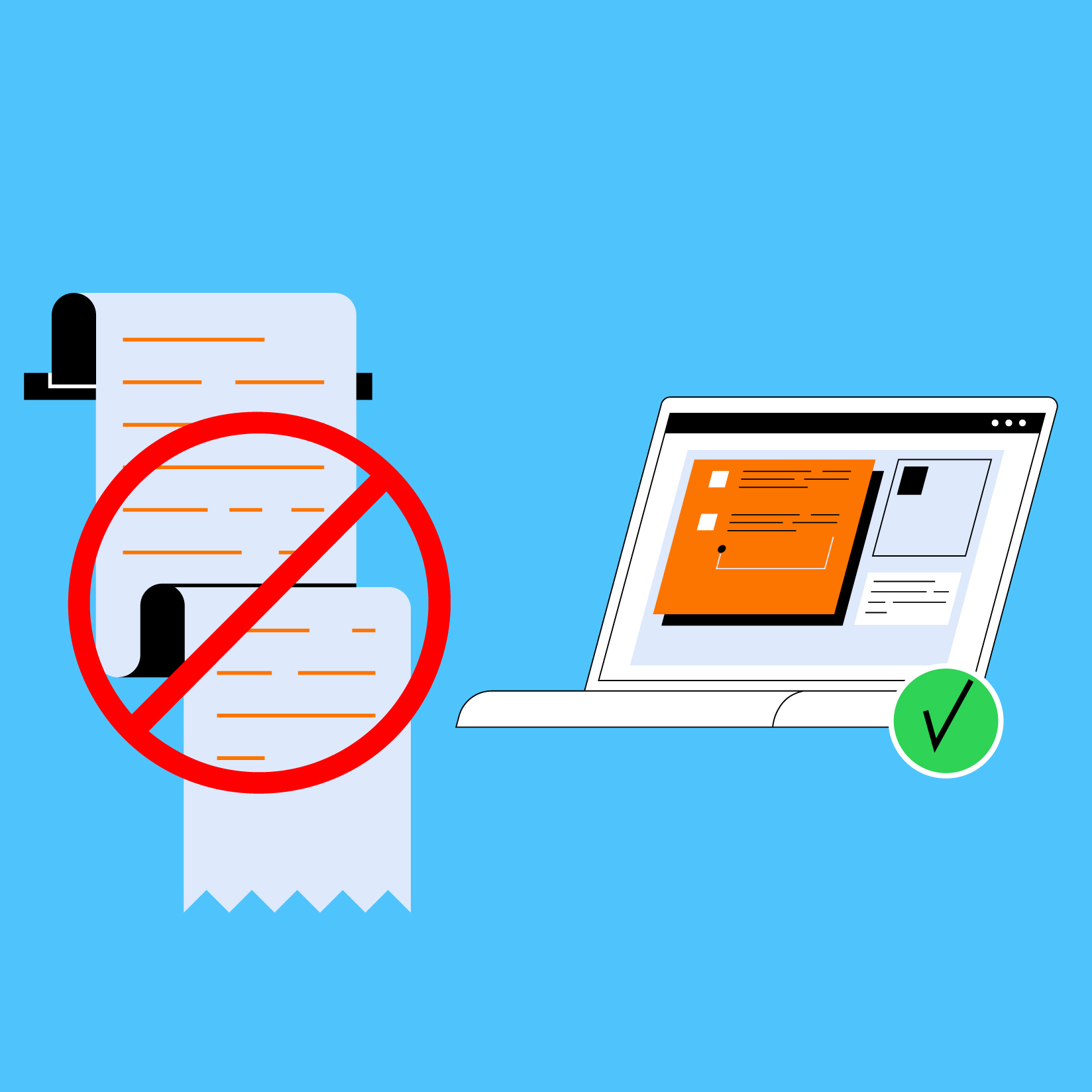
Whichever bank is chosen, downloading and archiving monthly statements digitally, through a service like paperlesskenya.co.ke, supports accurate reconciliation and simplifies any future loan or tax compliance process.
The best business account balances low fees, strong mobile features, and a realistic path to future credit rather than optimizing for any single factor alone.
Most small businesses only need one primary account, though some choose to add a second for tax savings or specific project funds once cash flow becomes more predictable.
The right business bank account should support your daily operations smoothly while positioning you well for future credit needs.
If you have not compared your current bank's fees against at least one alternative in the past year, a quick comparison this month could reveal meaningful, ongoing savings.
The right account should support your daily operations smoothly while genuinely positioning you for future credit and growth needs.
This ongoing comparison, revisited annually, ensures your banking arrangement continues to genuinely serve your business as it evolves.
 Paperless