Value Added Tax can feel intimidating to a small business owner, but understanding its basic mechanics removes much of the confusion. VAT is a consumption tax charged on the sale of most goods and services, collected by registered businesses on behalf of KRA.
Registration becomes mandatory once a business's taxable turnover crosses the statutory threshold within a twelve-month period, though a business can also register voluntarily if it deals mainly with other VAT-registered clients who expect proper tax invoices. Once registered, a business must charge VAT on eligible sales and can generally claim back VAT paid on qualifying business purchases.
The difference between VAT collected on sales, known as output tax, and VAT paid on purchases, known as input tax, is what gets remitted to KRA monthly. Errors often arise when businesses fail to keep proper tax invoices for purchases, which disqualifies the input tax claim and increases the amount owed.
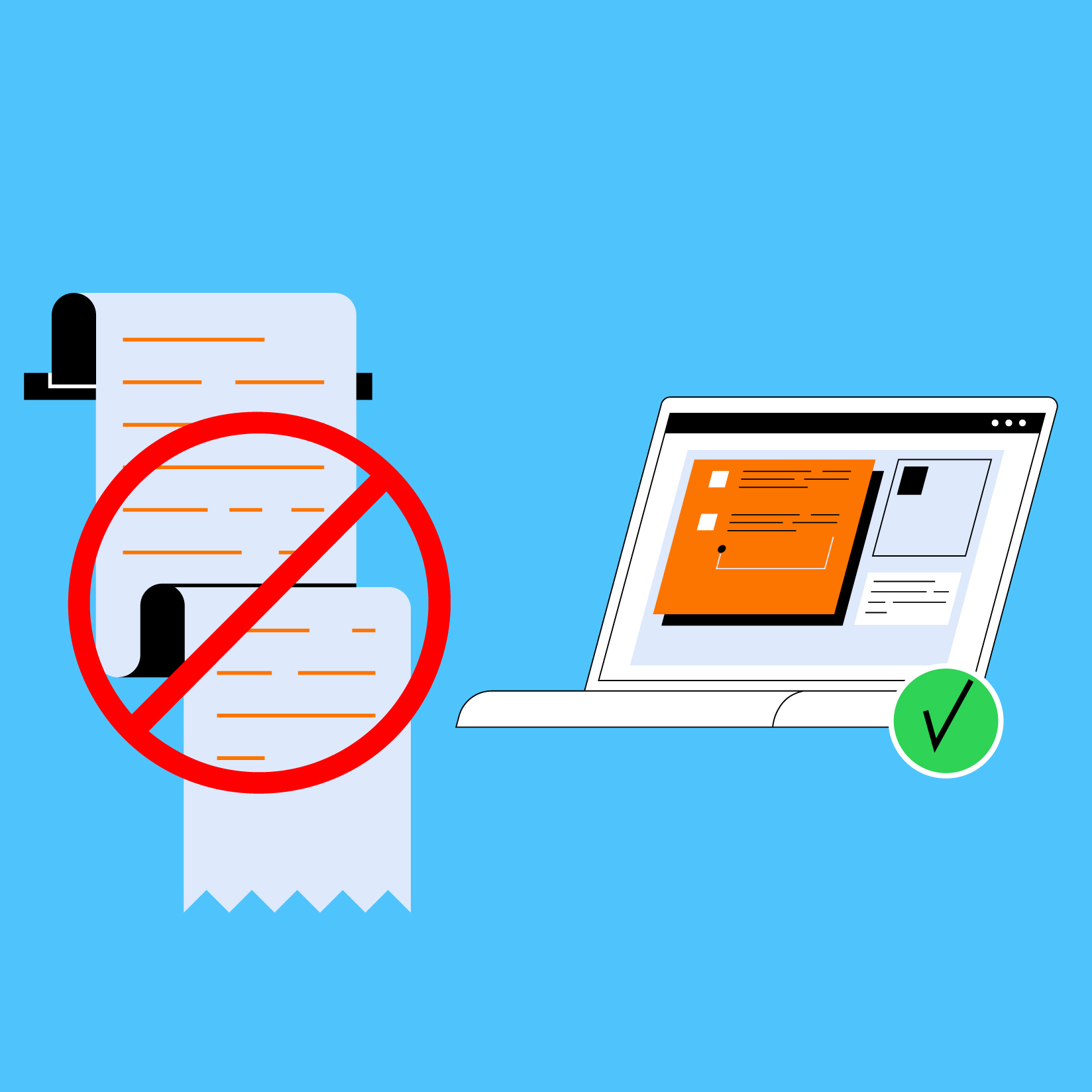
Electronic invoicing through the eTIMS system has made VAT compliance more structured, requiring businesses to generate and transmit invoices electronically. Keeping a clean digital archive of every issued and received invoice, whether through eTIMS itself or a service such as paperlesskenya.co.ke, is essential for accurate monthly filing and for surviving a KRA audit without complications.
Businesses uncertain about their VAT status should not guess; consulting a tax professional or reviewing current KRA guidance before making a registration decision avoids both the penalty of registering late and the unnecessary administrative burden of registering before it is actually required.
Businesses that anticipate crossing the VAT threshold soon should begin preparing systems and staff for compliance in advance, rather than waiting until registration becomes mandatory and everything must be set up under time pressure.
Getting VAT right from the start avoids both the penalty of non-compliance and the unnecessary burden of registering before it is truly required.
For most small businesses, understanding VAT thoroughly once removes far more anxiety than avoiding the topic ever could.
 Paperless