Tax compliance is one of the biggest sources of anxiety for small business owners in Kenya, largely because the obligations are not always well explained when a business is registered. Understanding the basics early prevents penalties and last-minute panic when filing deadlines approach.
Most SMEs will encounter income tax on business profits, and depending on turnover, either Turnover Tax for smaller businesses or standard corporate or individual income tax rates for larger ones. Businesses that supply VAT-registered goods or services above the statutory threshold must also register for and remit Value Added Tax monthly.
Employers have additional obligations, including deducting and remitting Pay As You Earn for staff salaries, along with statutory contributions such as NSSF and the Social Health Authority levy. Missing these deadlines attracts penalties and interest that can quickly add up and strain a small business's cash flow.
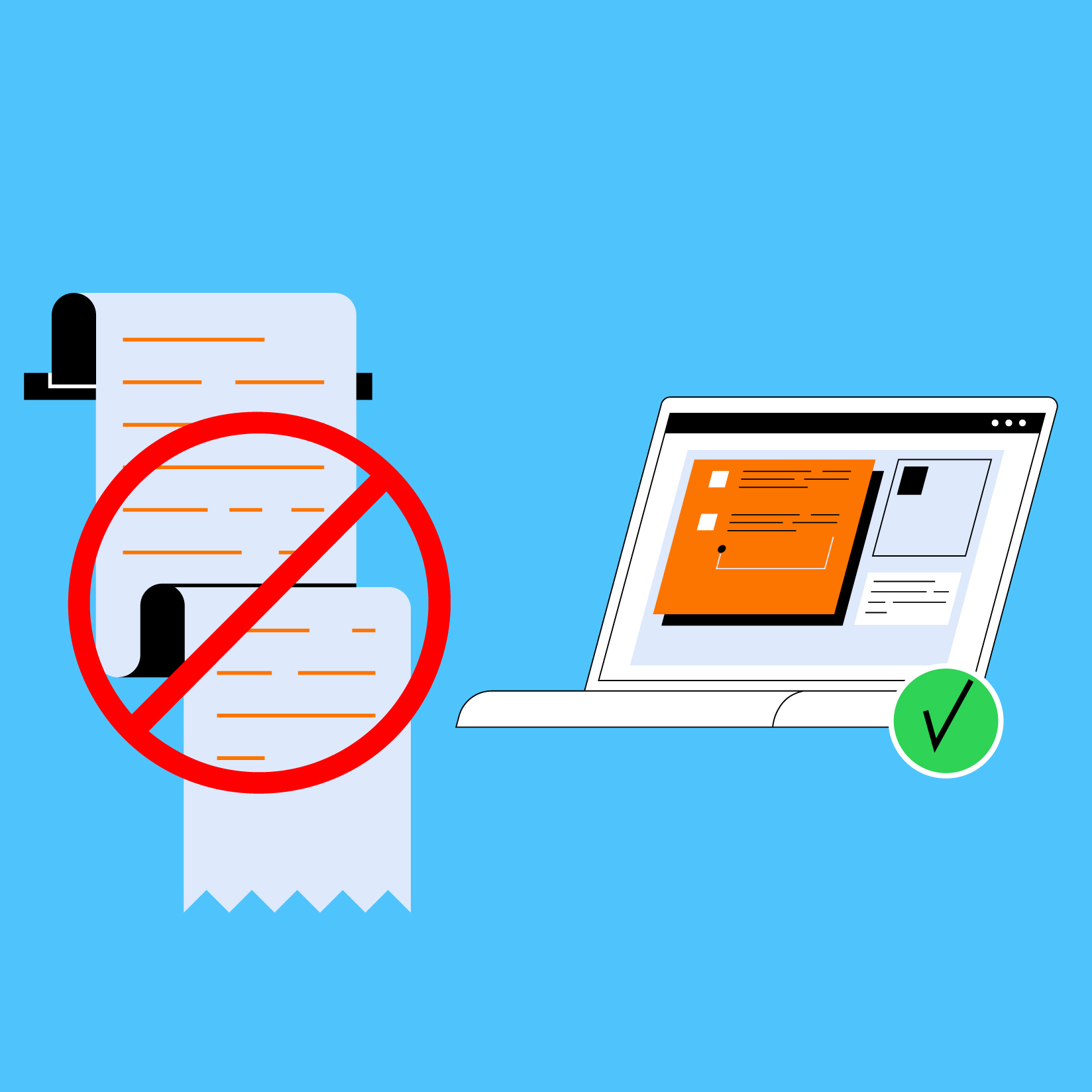
The single best defense against tax stress is maintaining organized, accurate records throughout the year rather than scrambling at filing time. Keeping digital copies of invoices, receipts, and bank statements, using a service such as paperlesskenya.co.ke, makes it far easier to reconstruct accurate figures when a return is due or when KRA requests supporting documents during a review.
Business owners who feel overwhelmed by tax rules should remember that KRA also publishes guidance and offers support desks for taxpayers who are unsure how a particular rule applies to them. Reaching out for clarification before a deadline, rather than guessing and hoping for the best, is almost always the cheaper path in the long run.
Business owners who feel unsure where to start should not let that uncertainty become a reason to delay. Even an imperfect first attempt at tracking these obligations is far better than continuing to operate without any structured approach to compliance at all.
In the end, tax compliance is simply another operational discipline, and businesses that treat it that way tend to worry about it far less.
Whatever stage a business is at, taking that first concrete step toward better tax habits this month is more valuable than waiting for a perfect, ideal moment that may never arrive.
 Paperless