Kenyan limited companies are generally required to maintain certain statutory records and filings, a responsibility often referred to as company secretarial compliance, whether handled internally or outsourced to a qualified company secretary.
Key ongoing obligations include filing annual returns, maintaining an accurate register of directors and shareholders, and properly documenting significant company decisions such as changes in share structure or directorship through appropriate resolutions.
Failing to maintain these records can create complications later, whether during a sale of the business, a dispute among shareholders, or simply when a bank or investor requests confirmation of the company's current legal structure.
Many small companies underestimate this administrative burden until they need to produce a specific document, such as a shareholder resolution, only to discover their records are incomplete or inconsistent with what was actually agreed.
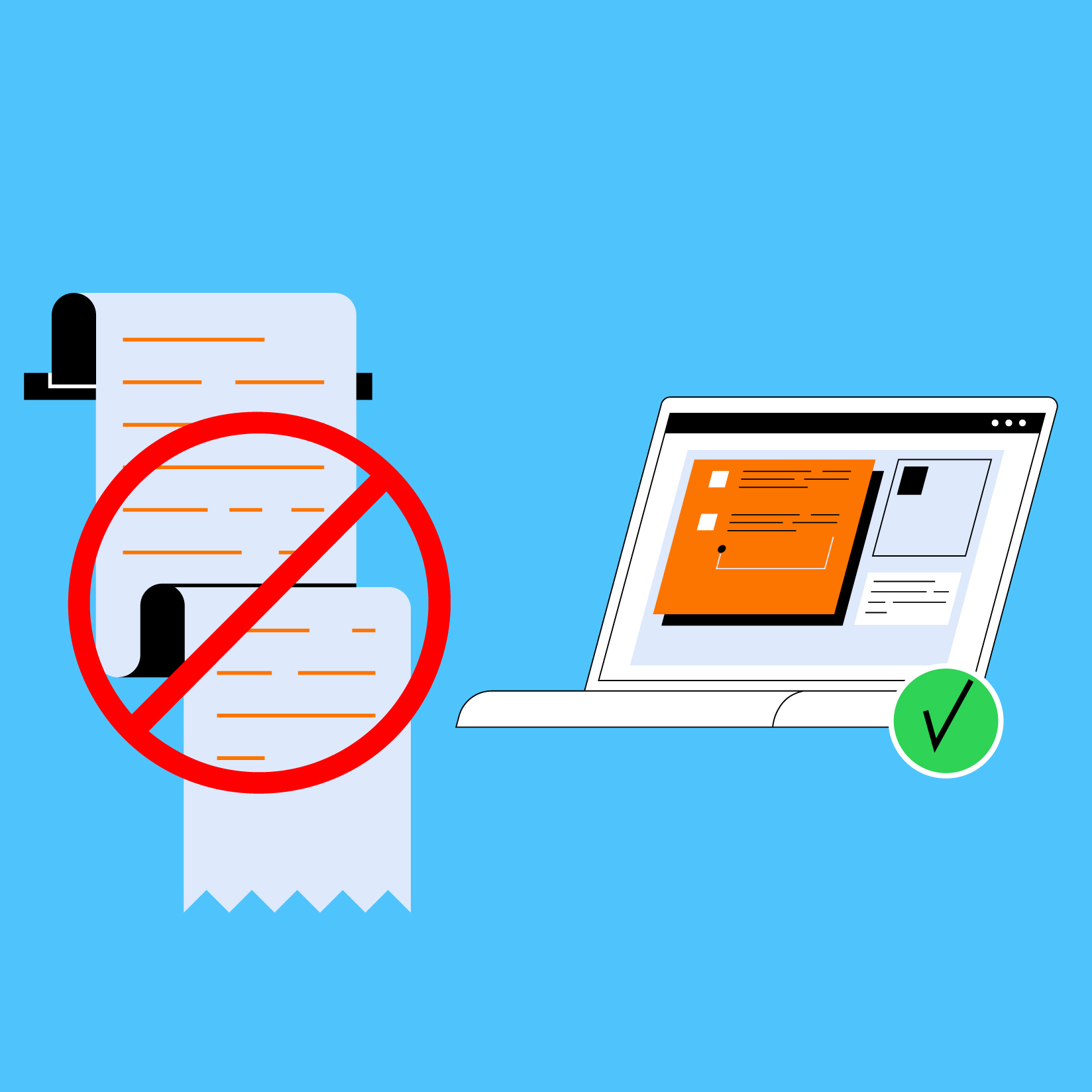
Keeping digital copies of all statutory filings, resolutions, and registers, through a service like paperlesskenya.co.ke, ensures a company's legal documentation remains organized and readily available whenever it is needed for compliance or a business transaction.
Even businesses that do not currently use a formal company secretary should designate a specific person responsible for maintaining statutory records and tracking filing deadlines, since this responsibility can otherwise fall through the cracks amid the many other demands of running a growing business. As a company grows in complexity, engaging a qualified company secretary or corporate services provider, even on a part-time or as-needed basis, often proves worthwhile well before the point where compliance gaps have already created a genuine legal or financial problem.
Designating clear responsibility for statutory compliance, even informally at first, consistently prevents the kind of gaps that become costly to untangle later.
Designating clear compliance responsibility, even informally, consistently prevents gaps that become costly to untangle later.
This kind of quiet consistency is, in the end, one of the most practical and achievable ways any Kenyan SME can strengthen its long-term position.
 Paperless