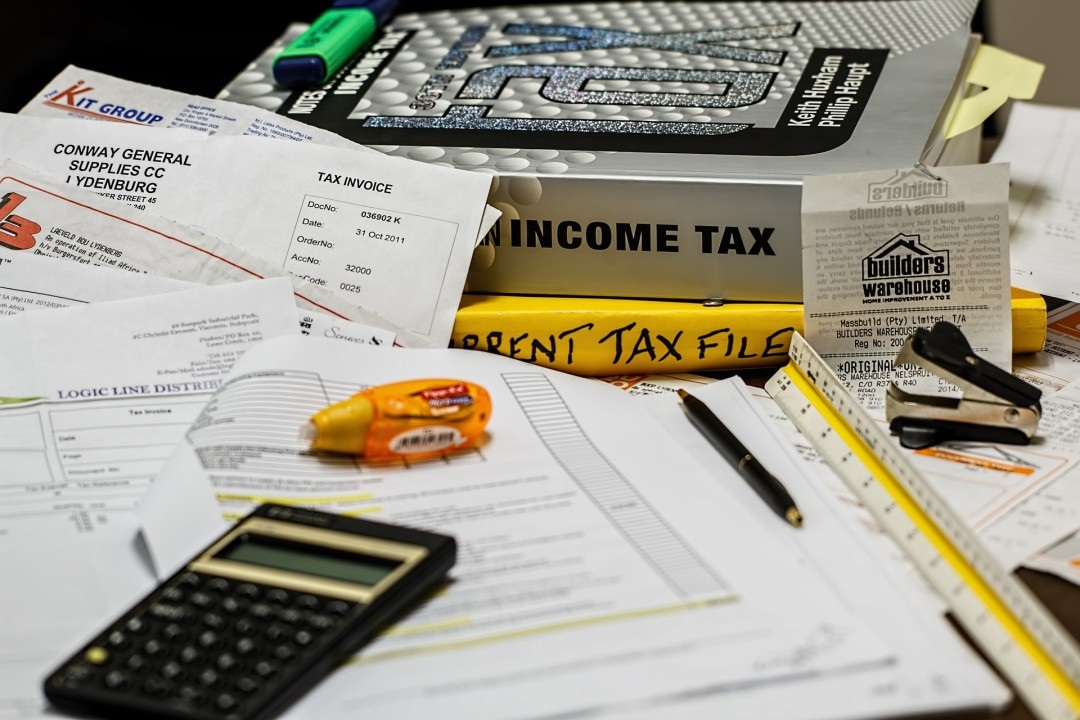
Filing a tax return is only half the compliance picture; the other half is being able to prove the figures declared are accurate if KRA ever asks. Many Kenyan SMEs discover this the hard way when a routine review or audit request arrives and they cannot locate supporting documents.
Good record keeping means retaining sales receipts, purchase invoices, bank and mobile money statements, payroll records, and any other documents that support the numbers on a tax return. These should be organized in a way that allows quick retrieval by date or transaction type, not simply stored in a single unsorted pile.
KRA generally expects businesses to retain records for several years, and the absence of supporting documentation during an audit can lead to disallowed expenses, higher assessed tax, and penalties, even when the original figures were accurate. In this sense, poor record keeping can cost a business money even without any wrongdoing.
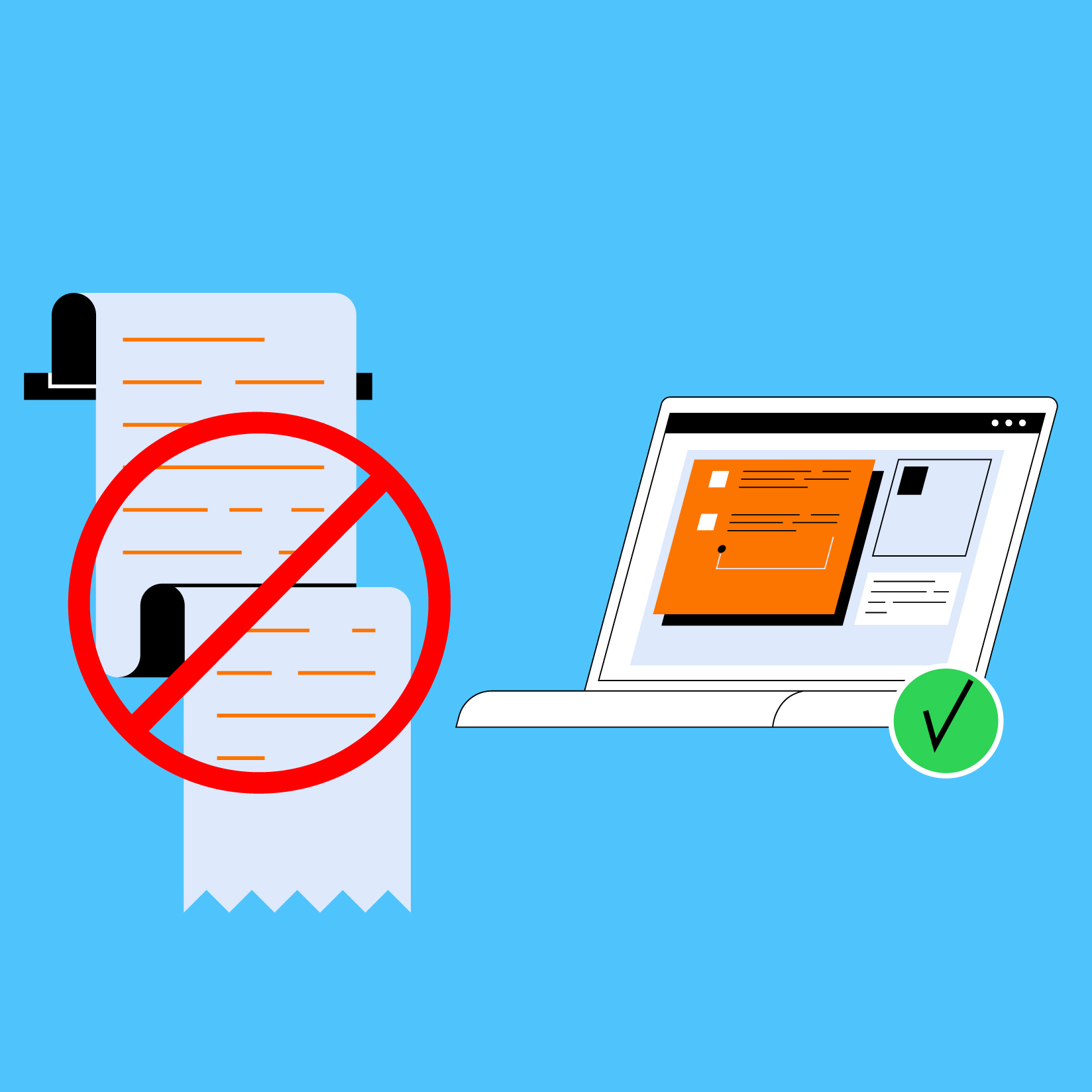
Digital record keeping solves many of the practical problems of paper-based systems, including loss, damage, and the sheer difficulty of searching through boxes of documents. Services such as paperlesskenya.co.ke allow businesses to scan and securely store years of documentation in a searchable format, which becomes invaluable the moment a compliance question arises.
Business owners preparing for a first-time audit or review often find it helpful to organize records well before any notice arrives, treating orderly documentation as a standing practice rather than a reactive scramble triggered by a specific compliance request.
Businesses should also retain records slightly longer than the statutory minimum where storage allows, since this provides a buffer against any future inquiry that unexpectedly reaches further back than initially expected.
Consistent documentation remains the single strongest protection a small business has against an unexpected tax dispute.
This kind of preparation, sustained consistently, is what ultimately separates businesses that survive scrutiny from those that struggle under it.
 Paperless