Many small business owners in Kenya associate financial statements with large companies or annual audits, but even the smallest enterprise benefits from understanding these three basic reports. Together they answer different but equally important questions about the health of a business.
The profit and loss statement shows whether the business made money over a given period by comparing total income against total expenses. The balance sheet shows what the business owns and owes at a specific point in time, revealing whether the business is building value or accumulating debt. The cash flow statement tracks how money actually moved in and out, which can differ significantly from reported profit.
A business can appear profitable on the profit and loss statement while still struggling with cash flow if customers are slow to pay or if too much cash is tied up in stock. Reviewing all three statements together, even in simplified form, gives a far more honest picture than relying on gut feeling or a single bank balance.
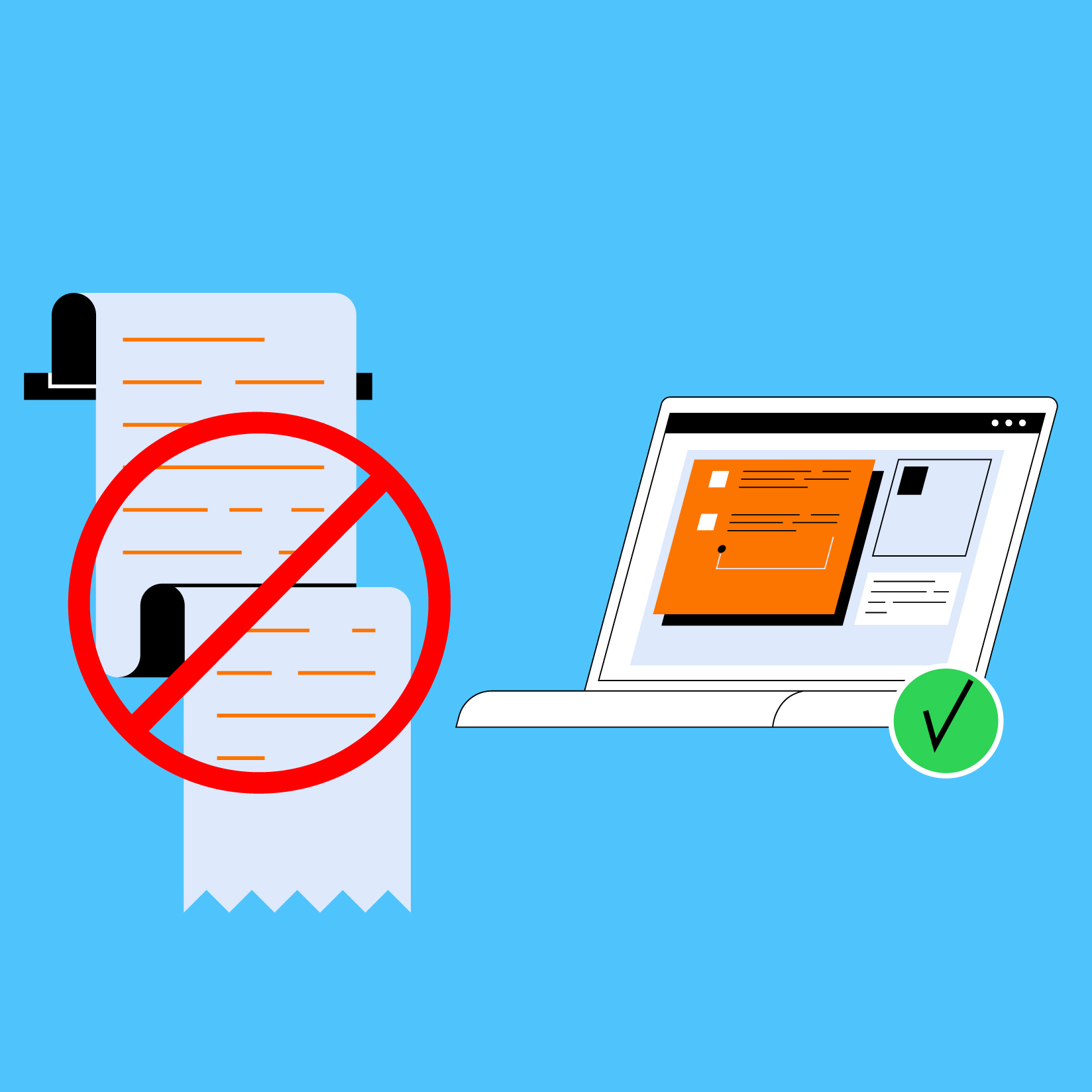
Producing accurate financial statements depends entirely on the quality of underlying records. Businesses that consistently capture and organize receipts and invoices, whether manually or through a digital service such as paperlesskenya.co.ke, find that preparing these statements at year end takes a fraction of the time and stress it otherwise would.
Business owners who feel intimidated by financial statements should start small, reviewing just the profit and loss statement monthly before adding the balance sheet and cash flow statement once that habit feels manageable. Financial literacy, like any skill, builds gradually with repeated practice rather than all at once.
None of these reports need to be complicated to be useful. Even a simplified monthly summary, reviewed consistently, gives an owner far more insight than an elaborate report produced only once a year under pressure.
Financial statements, reviewed consistently rather than only once a year, turn abstract numbers into a genuinely useful decision-making tool.
These three statements, read together regularly, give any business owner a genuinely reliable sense of how the business is truly performing.
 Paperless