Digital receipts are becoming an essential part of modern business and financial management. Unlike traditional paper receipts, digital receipts are created, stored, and shared electronically, making transactions easier to manage for both businesses and customers.
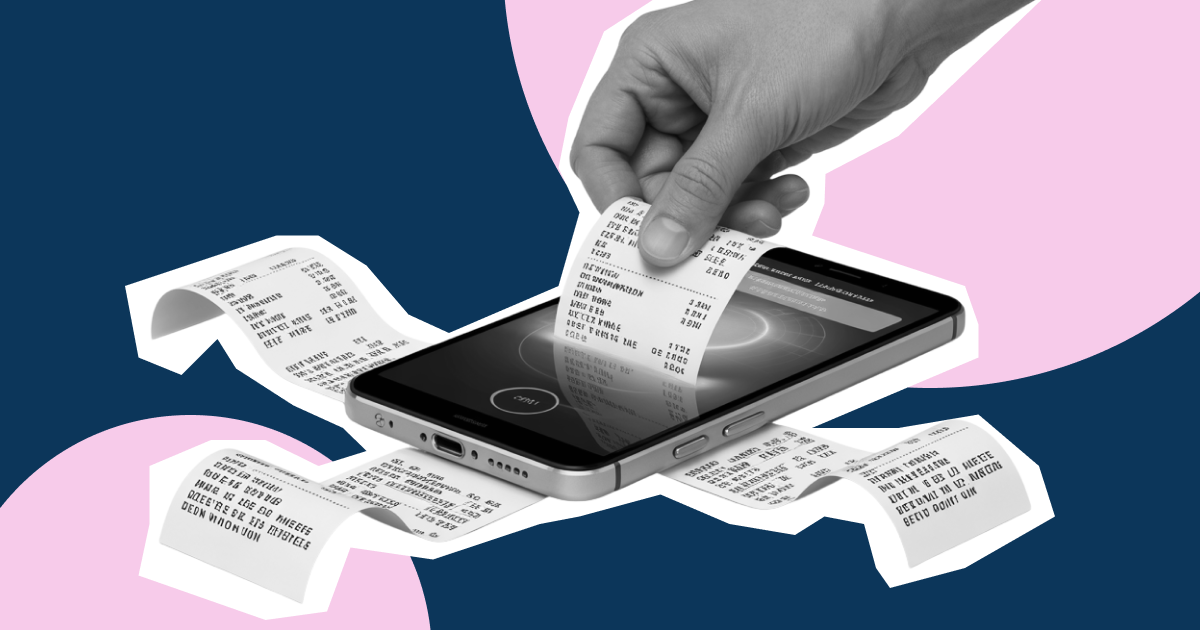
One of the greatest advantages of digital receipts is convenience. Customers can receive receipts through email, SMS, apps, or other digital platforms immediately after making a purchase. This eliminates the need to carry or store paper receipts and makes it easier to find transaction information when needed.
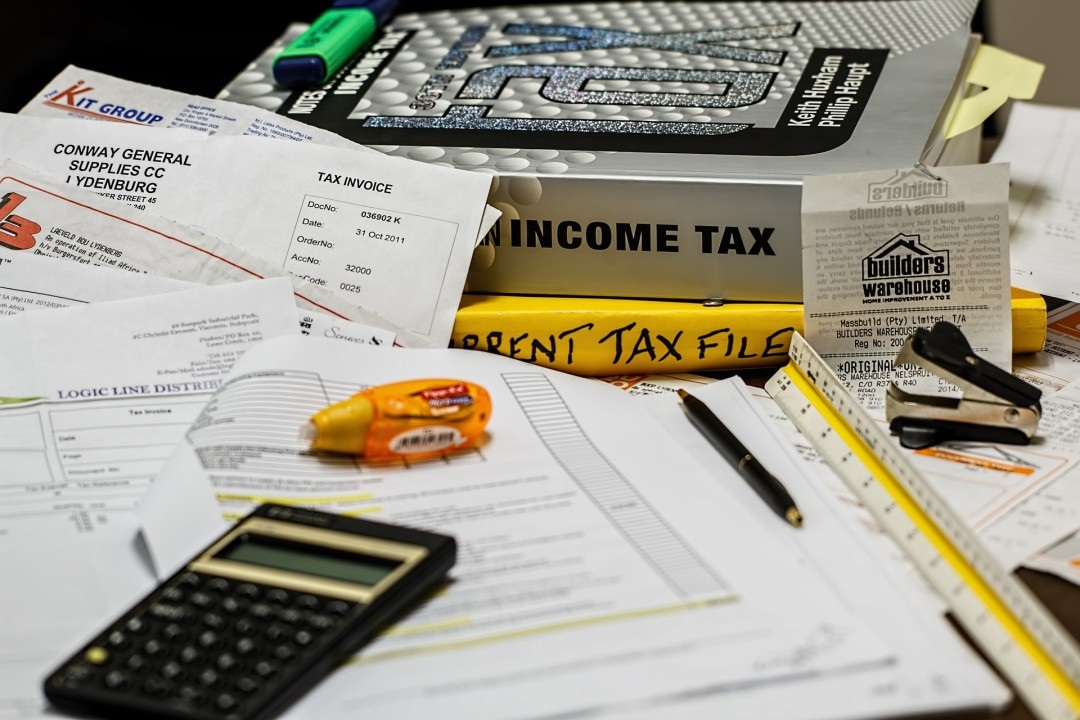
Digital receipts also help businesses improve record keeping. Receipts can be automatically stored and organized, making it easier to track sales, expenses, and cash flow. This can reduce errors associated with manual data entry and simplify accounting, auditing, and tax preparation.
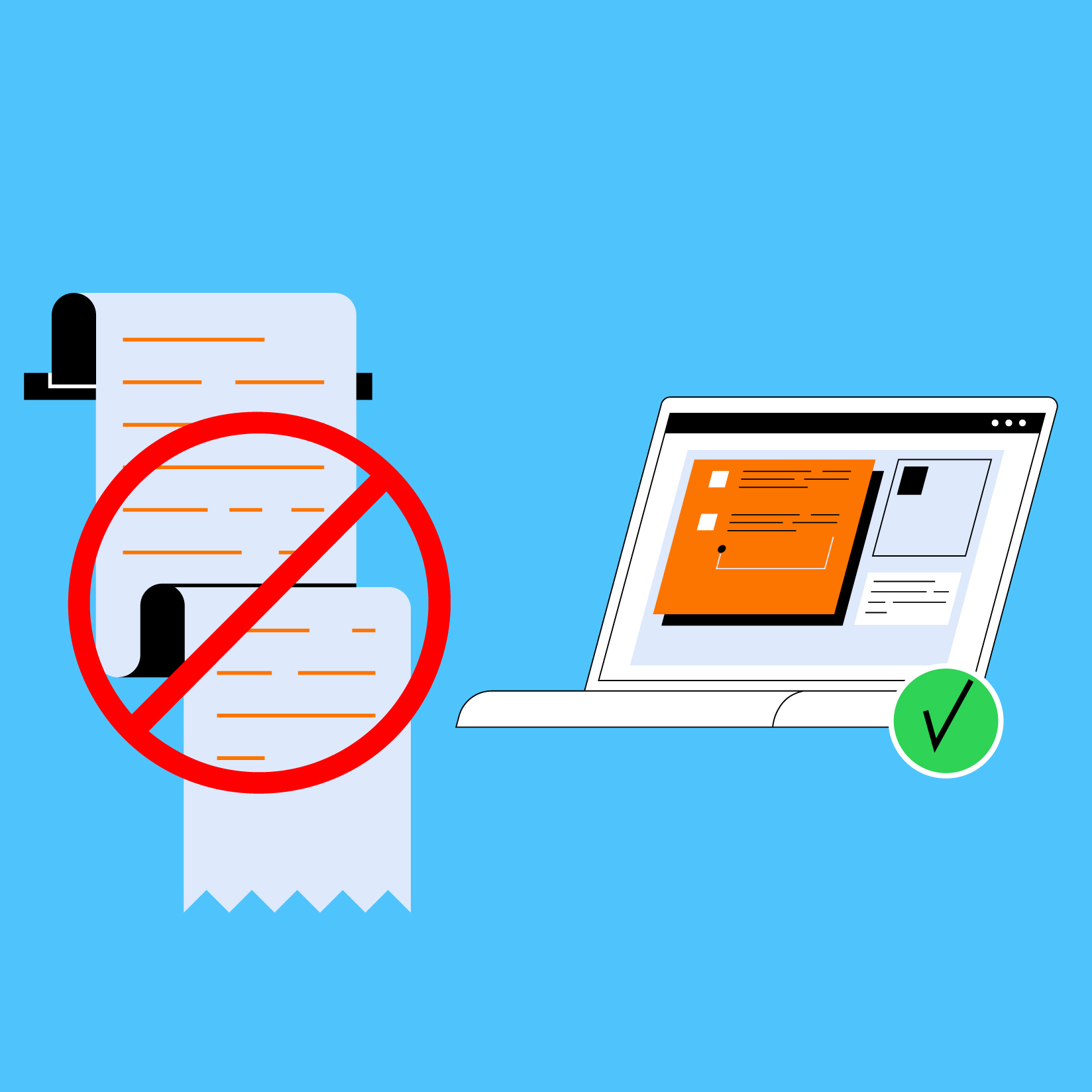
Another important benefit is environmental sustainability. Reducing the use of paper receipts helps businesses minimize paper consumption and waste. As organizations become more environmentally conscious, digital receipts provide a simple way to support sustainable business practices.
Digital receipts can also improve financial transparency. Customers have a permanent electronic record of their purchases, while businesses can maintain accurate transaction histories. When integrated with accounting or expense-management systems, digital receipts can provide valuable insights into spending patterns and business performance.
 Paperless