A financial forecast projects a new business's expected revenue, expenses, and cash flow over a defined future period, and building even a modest one before launch significantly improves a founder's understanding of what the business actually needs to succeed.
Revenue forecasts should be built from realistic assumptions about pricing, sales volume, and how quickly the customer base is likely to grow, rather than optimistic guesses unsupported by any market research or comparable benchmarks.
Expense forecasts should include both fixed costs that will apply regardless of sales volume and variable costs that scale with activity, giving a clearer picture of the sales level needed to reach profitability.
Cash flow forecasting, tracking when money is actually expected to move in and out rather than just when it is earned or incurred, often reveals a funding gap in the early months that a simple profit forecast alone would miss.
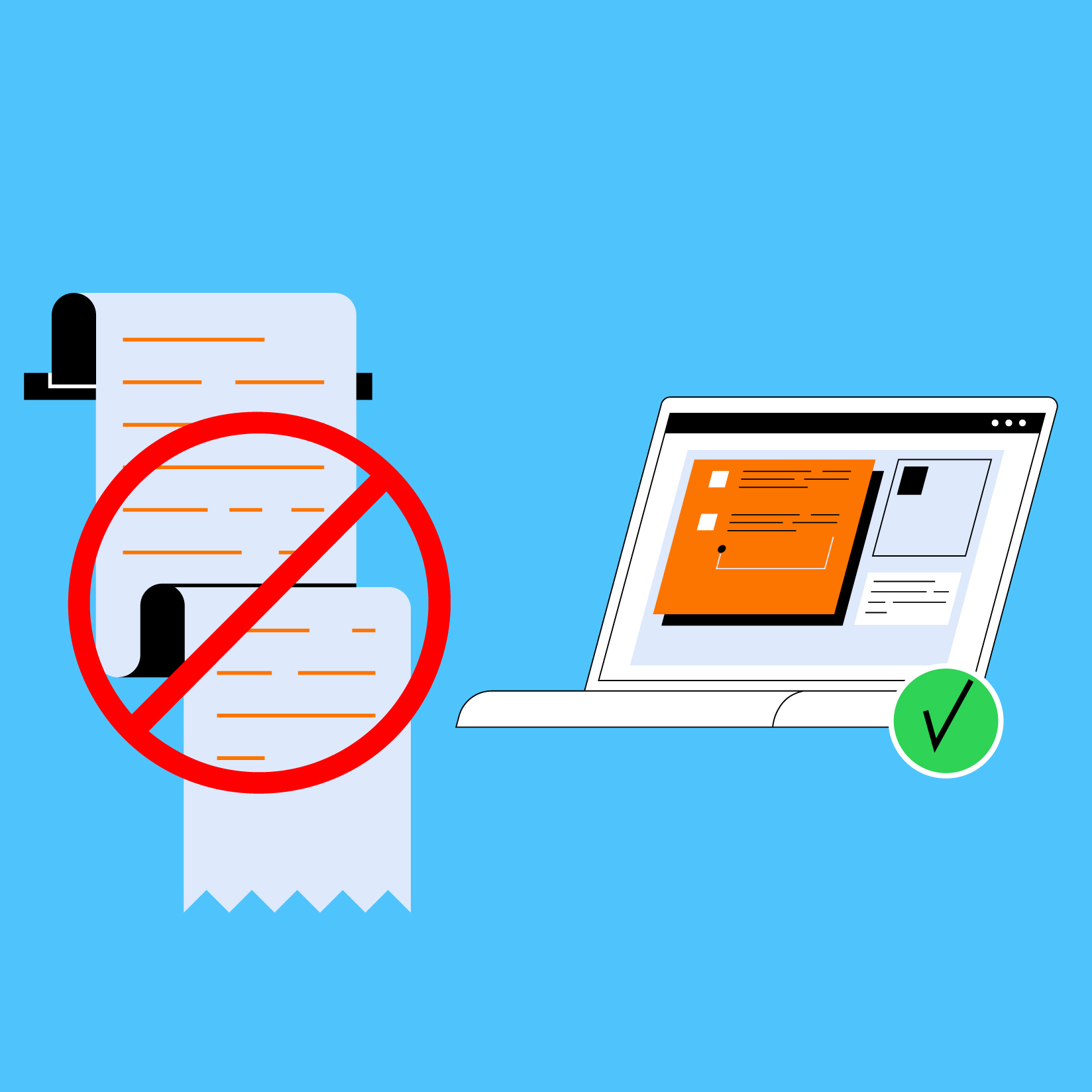
Reviewing actual results against the original forecast monthly once the business launches, and adjusting future projections accordingly, turns the forecast from a one-time planning document into an ongoing management tool that benefits from organized digital records such as paperlesskenya.co.ke.
New business owners should treat their initial forecast as a working hypothesis to be tested and refined rather than a fixed prediction, since the value of forecasting lies as much in the discipline of thinking through assumptions carefully as in the specific numbers ultimately produced. Comparing actual results against the forecast after the first three, six, and twelve months provides valuable learning that considerably improves the accuracy and usefulness of forecasts prepared for any subsequent year or new venture the same entrepreneur might pursue.
Forecasts refined through this kind of honest comparison consistently become more useful tools with each successive cycle a business goes through.
Forecasts refined through honest comparison consistently become more useful tools with each successive cycle a business goes through.
This kind of consistent, quiet discipline remains one of the clearest, most practical paths toward genuine long-term business resilience in an unpredictable environment.
 Paperless