Hiring the first employee is a major milestone for a small business, but it also introduces a set of payroll obligations that many owners underestimate. Getting payroll wrong, even unintentionally, can lead to penalties, disputes with staff, or trouble with statutory bodies.
Employers in Kenya are required to deduct Pay As You Earn from employee salaries based on current tax bands and remit it to KRA monthly. Alongside PAYE, employers must also make NSSF contributions for retirement savings and pay into the Social Health Authority fund on behalf of employees, matching or supplementing employee contributions as required by law.
Beyond statutory deductions, employers need to track leave days, overtime, and any benefits provided, since these affect both payroll costs and, in some cases, taxable income. Written employment contracts that clearly state salary, benefits, and terms protect both the employer and employee from later misunderstandings.
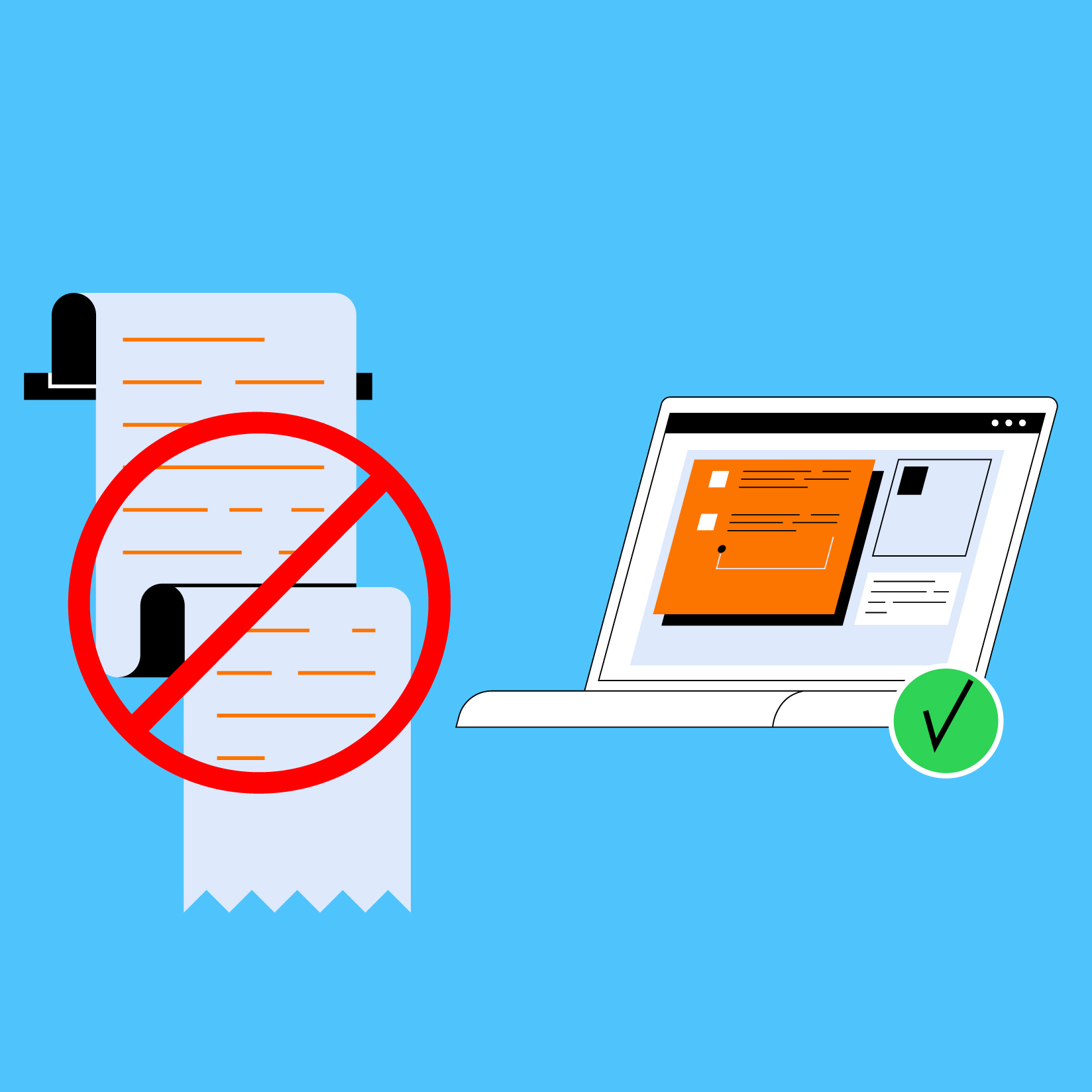
Payroll errors often stem from disorganized records rather than ignorance of the rules. Keeping digital copies of contracts, payslips, and statutory remittance receipts, for example through paperlesskenya.co.ke, makes it far easier to respond to an employee dispute or a labor office inquiry with accurate documentation rather than scrambling to reconstruct history.
New employers should also budget for the administrative time payroll requires each month, since even a small team's payroll involves multiple deadlines, calculations, and filings that can easily be overlooked amid other operational pressures if not scheduled deliberately.
Setting calendar reminders for each statutory deadline, rather than relying on memory, is a simple habit that prevents the kind of late filing that quietly accumulates penalties over the course of a year.
Payroll discipline protects both the business and its employees, and it is well worth the modest administrative effort it requires each month.
A well-run payroll process is ultimately an investment in staff trust, which pays dividends in loyalty and reduced turnover over time.
 Paperless