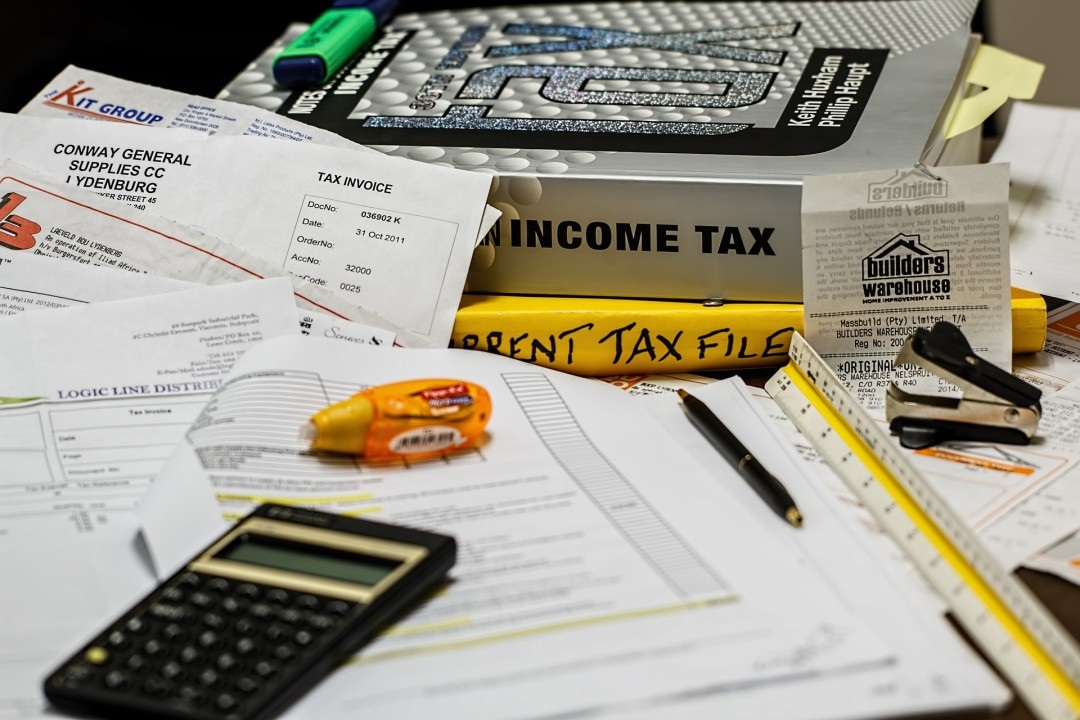
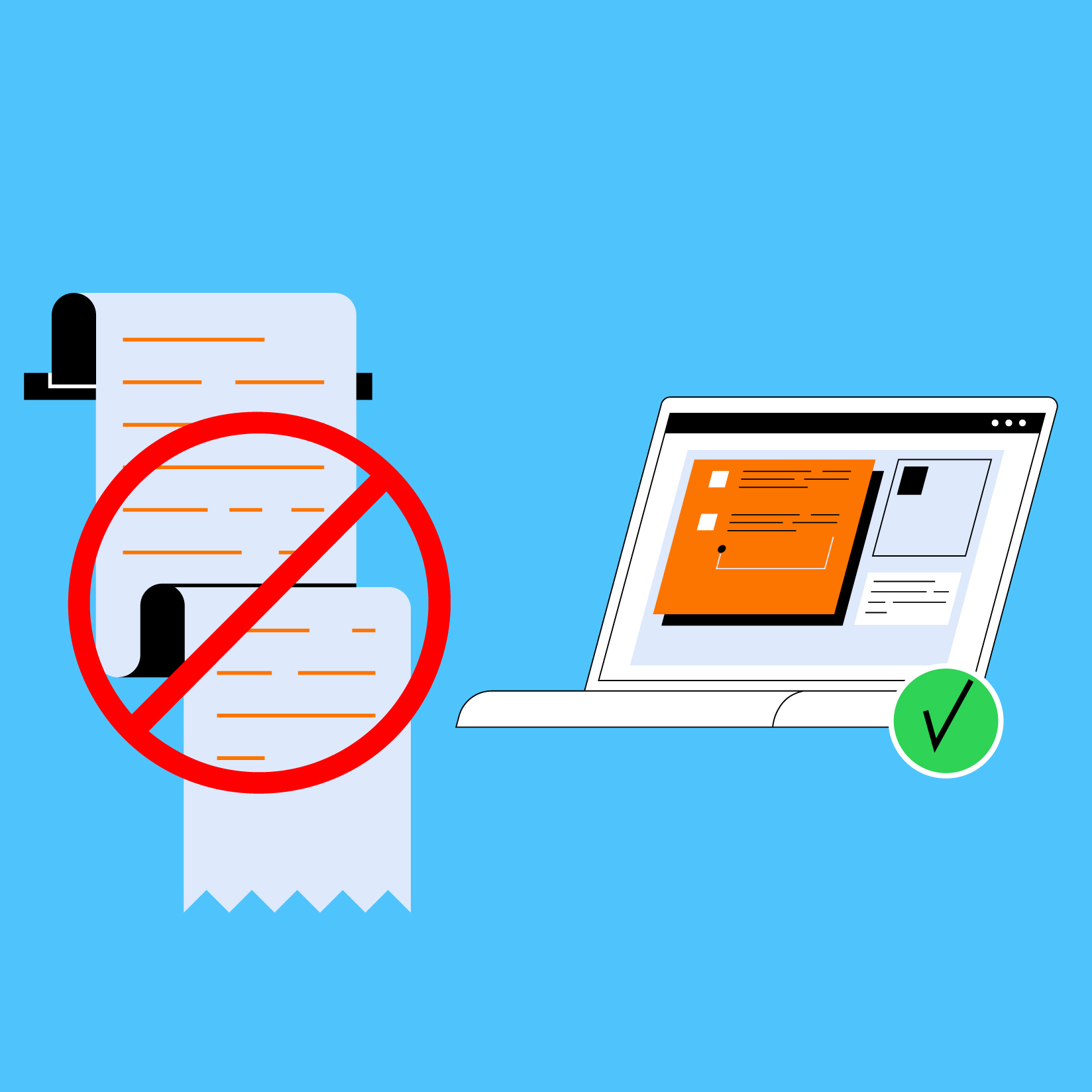
Year end can feel overwhelming for small business owners who have not kept consistent records throughout the year, but with the right checklist, preparing year-end accounts becomes a manageable process rather than a dreaded scramble.
The first step is reconciling all bank and mobile money accounts against recorded transactions, ensuring every deposit and withdrawal has a corresponding entry and that no transactions were missed or duplicated during the year. Any discrepancies should be investigated and resolved before moving forward.
Next, reviewing outstanding debtors and creditors, money owed to and by the business, ensures the year-end position accurately reflects reality rather than outdated figures. This is also the point to confirm that all significant purchases have been correctly recorded, including any assets that should be reflected in an asset register for depreciation purposes.
Finally, compiling the profit and loss statement and balance sheet for the year gives a clear picture of overall performance and financial position, forming the basis for tax filing and any decisions about the year ahead. Businesses that have maintained organized digital records throughout the year, for instance through paperlesskenya.co.ke, typically find this entire process takes days rather than the weeks it can take when records were kept inconsistently.
Businesses that treat year-end preparation as a rushed, once-a-year event tend to make more errors under time pressure than those that build small monthly closing habits throughout the year, turning what could be a stressful deadline into a routine, manageable task.
Businesses that close out each month with a brief, disciplined review, rather than waiting for year end, tend to walk into their annual accounts with far fewer surprises and a much clearer sense of where they stand.
A calm, well-organized approach to year-end accounts turns what could be a stressful deadline into a routine, manageable task.
This calm, disciplined approach, built up over the course of a full year, is what ultimately makes year-end reporting manageable rather than dreaded.
 Paperless