A cash flow forecast projects when money is actually expected to move into and out of a business over a future period, which is a different and often more urgent question than simply forecasting profit.
Building a forecast starts with listing expected cash inflows, including sales collections and any other income, by the period in which the cash is actually expected to be received rather than when it was earned.
Cash outflows should similarly be listed by expected payment date, including regular fixed costs, planned purchases, loan repayments, and tax payments, giving a realistic month-by-month or week-by-week picture of the business's cash position.
Comparing projected inflows and outflows for each period highlights specific points where the business might face a cash shortfall, giving the owner time to arrange financing or adjust spending well before the shortfall actually arrives.
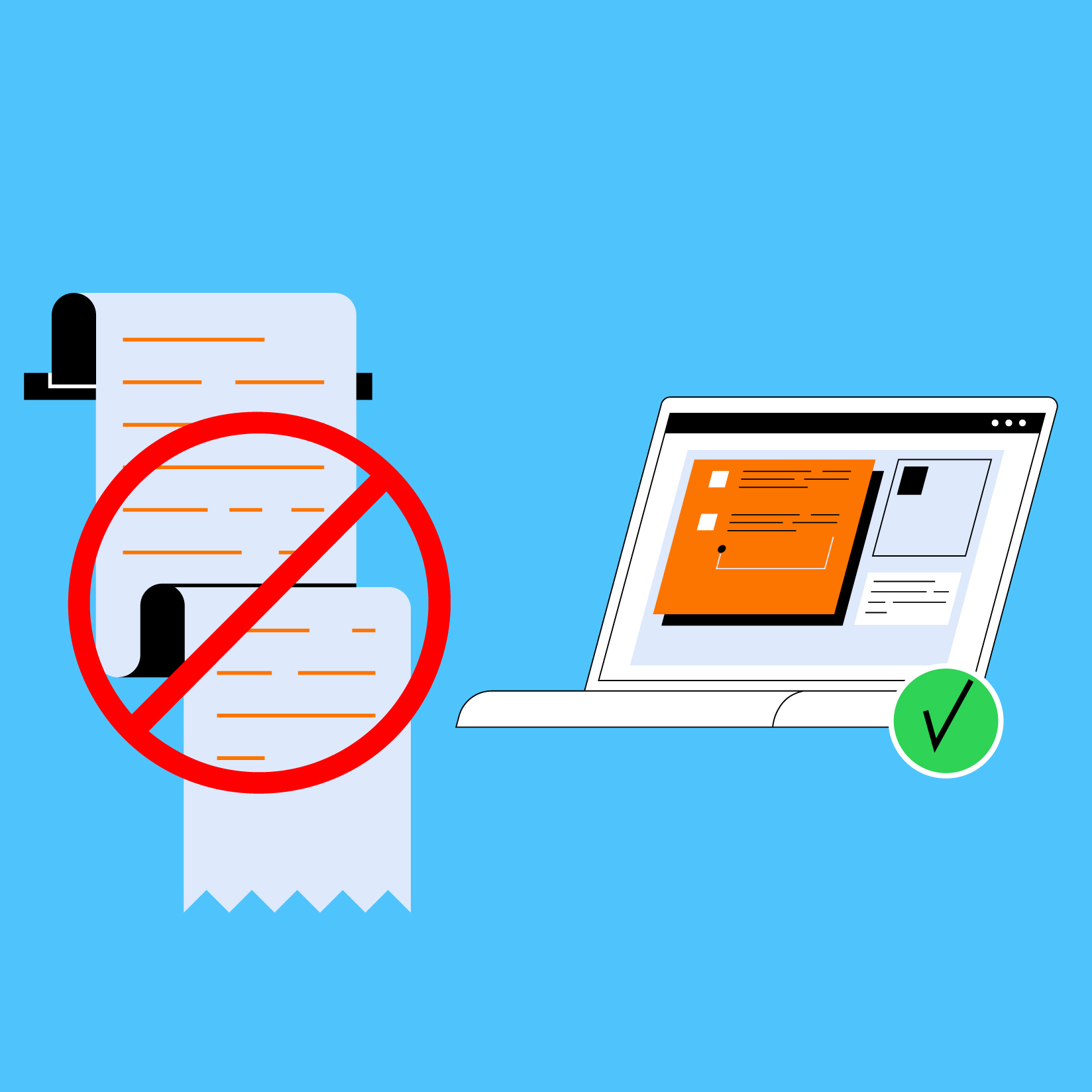
Updating the forecast regularly as actual figures become available, using organized digital records such as paperlesskenya.co.ke, keeps the forecast realistic and genuinely useful rather than a static document that quickly becomes disconnected from reality.
Businesses preparing a cash flow forecast for the first time often find it helpful to build several scenarios, a realistic base case alongside a more conservative version reflecting slower sales or delayed collections, since this range of outcomes gives a clearer sense of how much cash buffer the business genuinely needs to comfortably weather a less favorable outcome than the most optimistic projection alone would suggest.
A realistic, scenario-based cash flow forecast consistently gives a business owner more confidence and better preparation than a single, optimistic projection alone.
A realistic, scenario-based forecast consistently gives an owner more confidence and better preparation than a single optimistic projection alone.
Owners who prioritize this early generally find themselves far better equipped to handle both the ordinary and the occasional genuine crisis a business inevitably faces.
 Paperless