Strong supplier relationships are an underrated asset for small businesses in Kenya, often determining whether a business can access better prices, flexible payment terms, or priority stock during shortages. Managing these relationships well requires both good communication and disciplined record keeping.
Paying suppliers on time, or communicating proactively when a delay is unavoidable, builds trust that often translates into better terms over time, including credit facilities that ease pressure on the business's own cash flow. Businesses that develop a reputation for unreliable payment, on the other hand, often find themselves paying premium prices or losing access to preferred suppliers altogether.
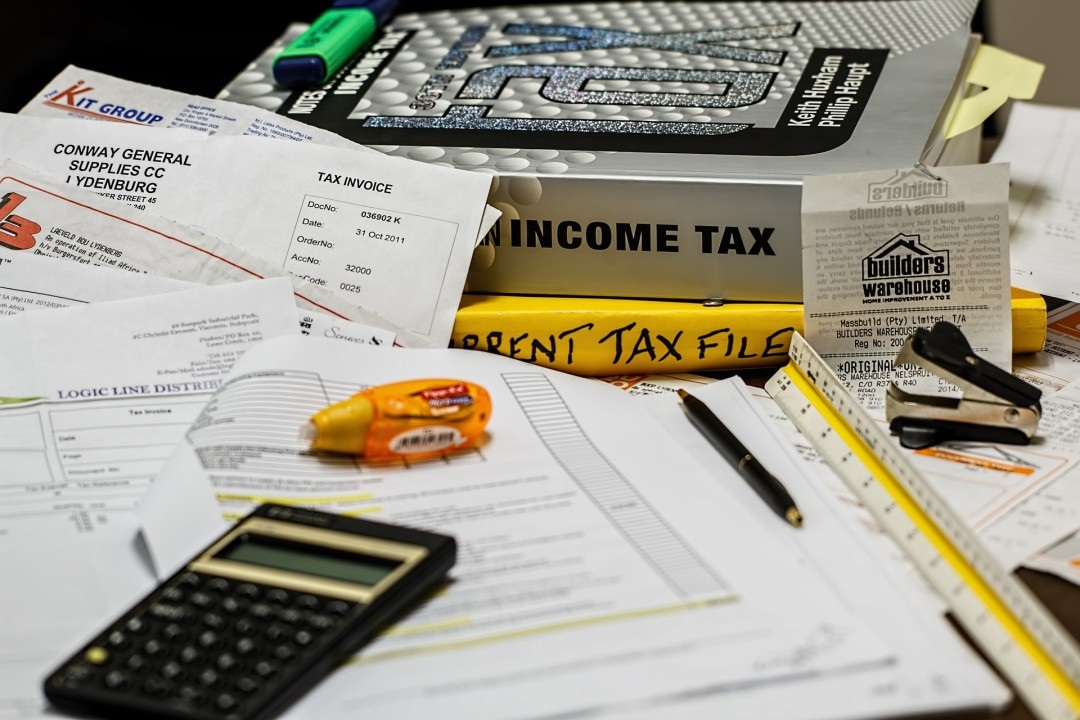
Every purchase should be documented with a proper invoice or receipt, not only for tax purposes but also to track spending patterns, compare supplier pricing over time, and catch billing errors, which are more common than most business owners assume.
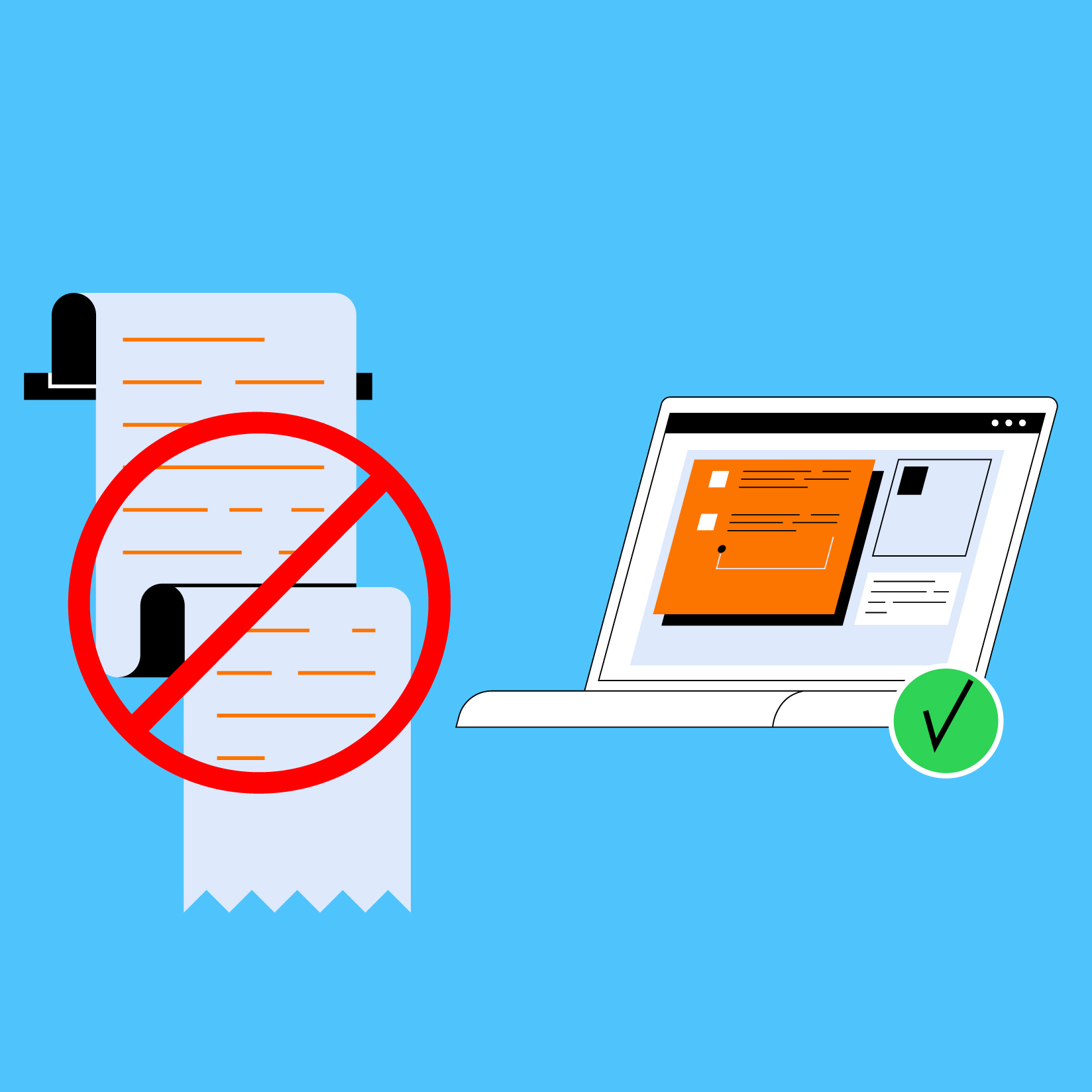
Storing supplier invoices digitally rather than in a pile of paper slips makes it far easier to compare prices across suppliers, verify payment history during a dispute, and support VAT input tax claims where applicable. A service such as paperlesskenya.co.ke can help a business build this kind of organized purchase record, which pays off both in day-to-day negotiations and during tax filing.
Businesses should also periodically review whether their current suppliers remain competitive, since loyalty to a long-standing supplier should not come at the cost of significantly better pricing or terms available elsewhere in the market.
Building a shortlist of two or three reliable backup suppliers for critical stock items also protects a business against sudden shortages or price spikes from any single supplier.
Strong, well-documented supplier relationships remain a quiet but genuine competitive advantage for small businesses.
These relationships, nurtured deliberately over time, often prove just as valuable to a growing business as its relationships with customers.
Businesses that view supplier management as an ongoing relationship rather than a series of one-off transactions consistently negotiate better terms over the life of the partnership.
 Paperless