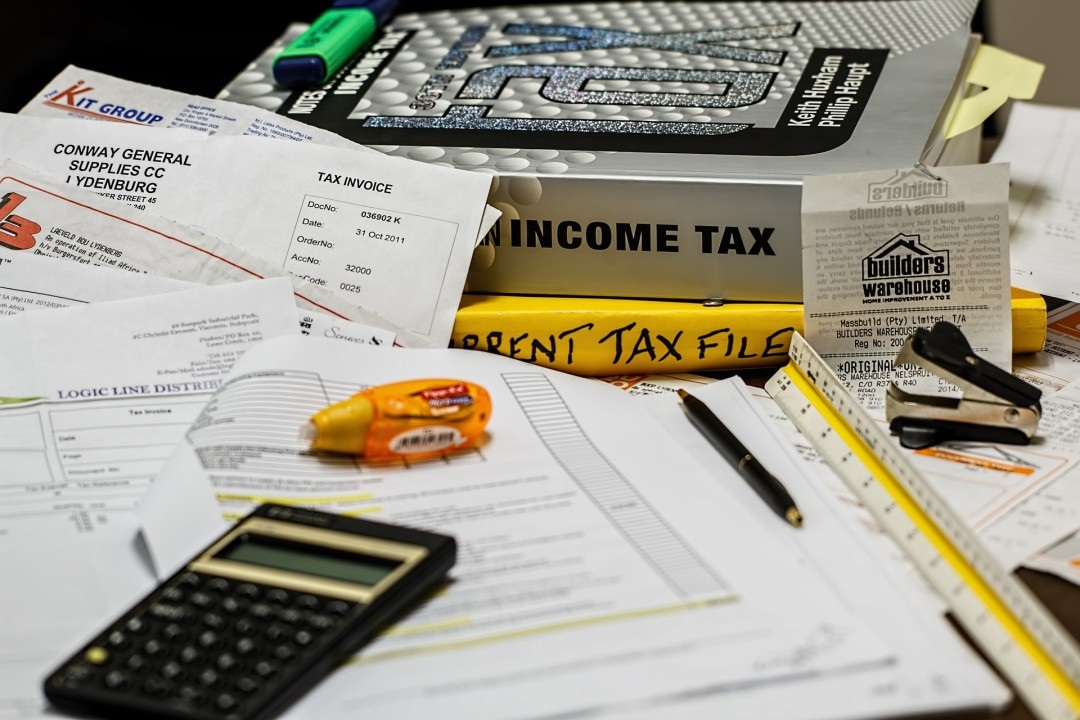
The accounting software market is crowded, and much of it is built with large corporations in mind rather than a small shop or service business in Nairobi or Kisumu. Choosing the right tool starts with being honest about the business's actual size, complexity, and the owner's comfort with technology.
A very small business with simple transactions may do perfectly well with a well-organized spreadsheet or a lightweight mobile app, while a growing business handling inventory, multiple staff, and VAT will benefit from dedicated accounting software that automates invoicing, tracks stock, and generates tax reports.
Cost matters, but so does whether the software works well with limited or intermittent internet access, since not every business operates from a location with reliable connectivity. Look for tools that allow offline entry with later syncing, and that support Kenyan tax requirements such as VAT and eTIMS-compatible invoicing out of the box.
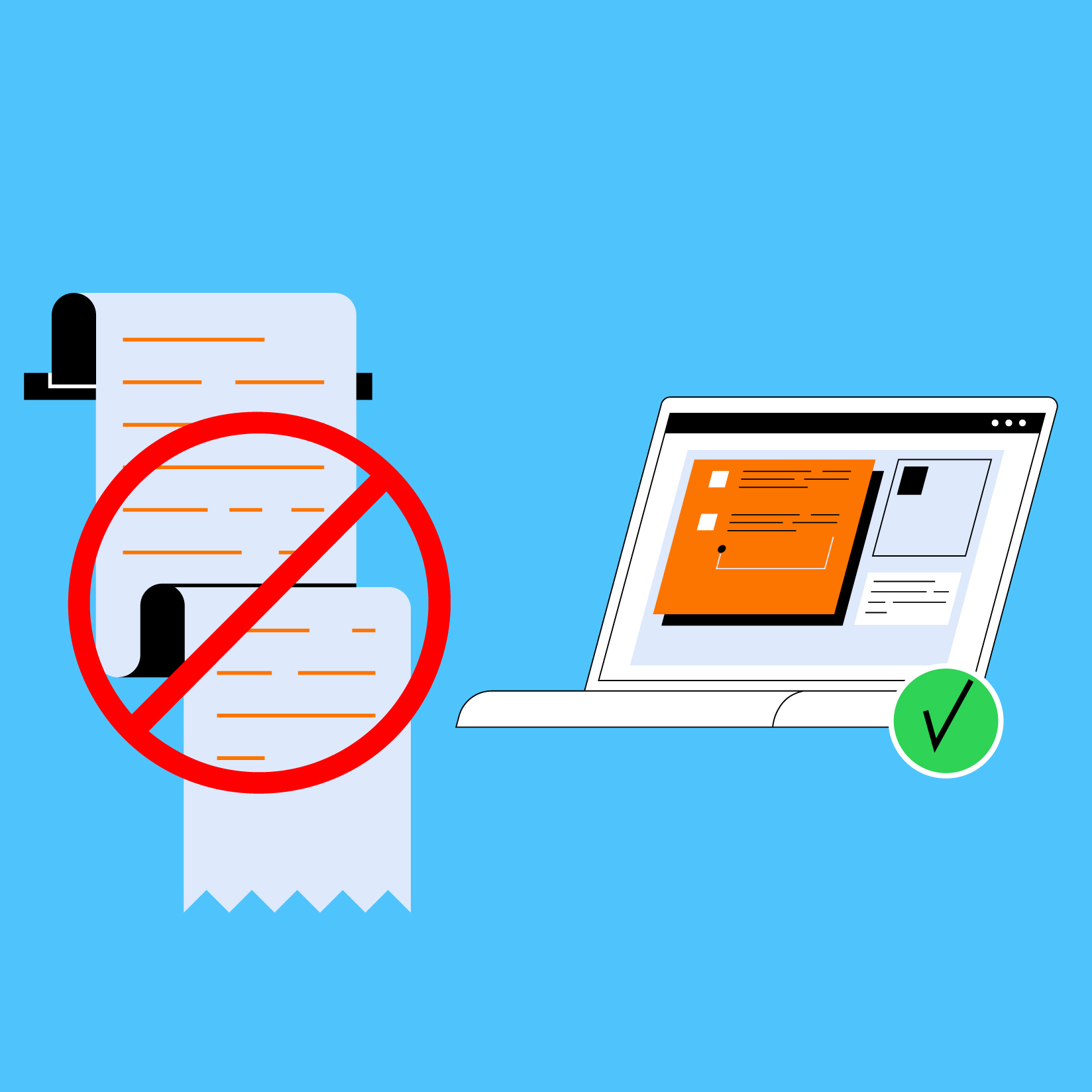
Equally important is how easily the software integrates with document storage, since accounting entries are only as good as the receipts and invoices backing them up. Pairing accounting software with a dedicated digital records service like paperlesskenya.co.ke ensures that every entry has a corresponding, easily retrievable source document, which matters enormously during tax season or a loan application.
It is worth trialing software with real transactions for a few weeks before fully committing, since the true test of any accounting tool is how it performs with the business's actual, sometimes messy, day-to-day data rather than a polished demo environment.
It is worth revisiting the choice of software annually as the business grows, since a tool that was a perfect fit at launch may no longer scale well once transaction volume, staff numbers, or reporting needs increase significantly.
Choosing accounting software thoughtfully, rather than defaulting to whatever is most popular, pays dividends in daily usability for years afterward.
The right software should feel like it fits the business, not the other way around, and it is worth taking the time to find that fit.
 Paperless