Access to affordable financing often depends less on how good a business idea is and more on whether a lender can trust the numbers behind it. Building business credit is a gradual process, but Kenyan SMEs can take deliberate steps to strengthen their standing over time.
The foundation is a clean separation between personal and business finances, since lenders want to assess the business on its own merits, not tangled together with an owner's personal spending. A dedicated business account with a consistent transaction history is one of the first things most lenders will review.
Starting with smaller credit facilities, such as a modest supplier credit line or a small SACCO loan, and repaying them reliably and on time builds a track record that makes larger facilities easier to access later. Missed or late payments, on the other hand, can follow a business for years through credit reference bureau records.
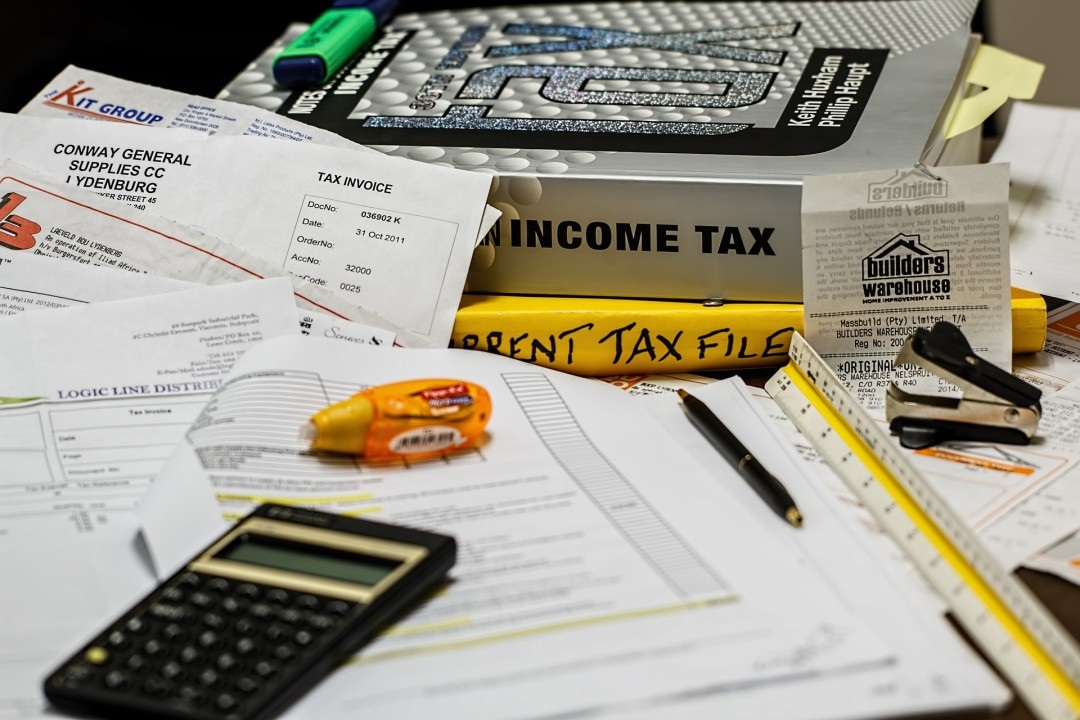
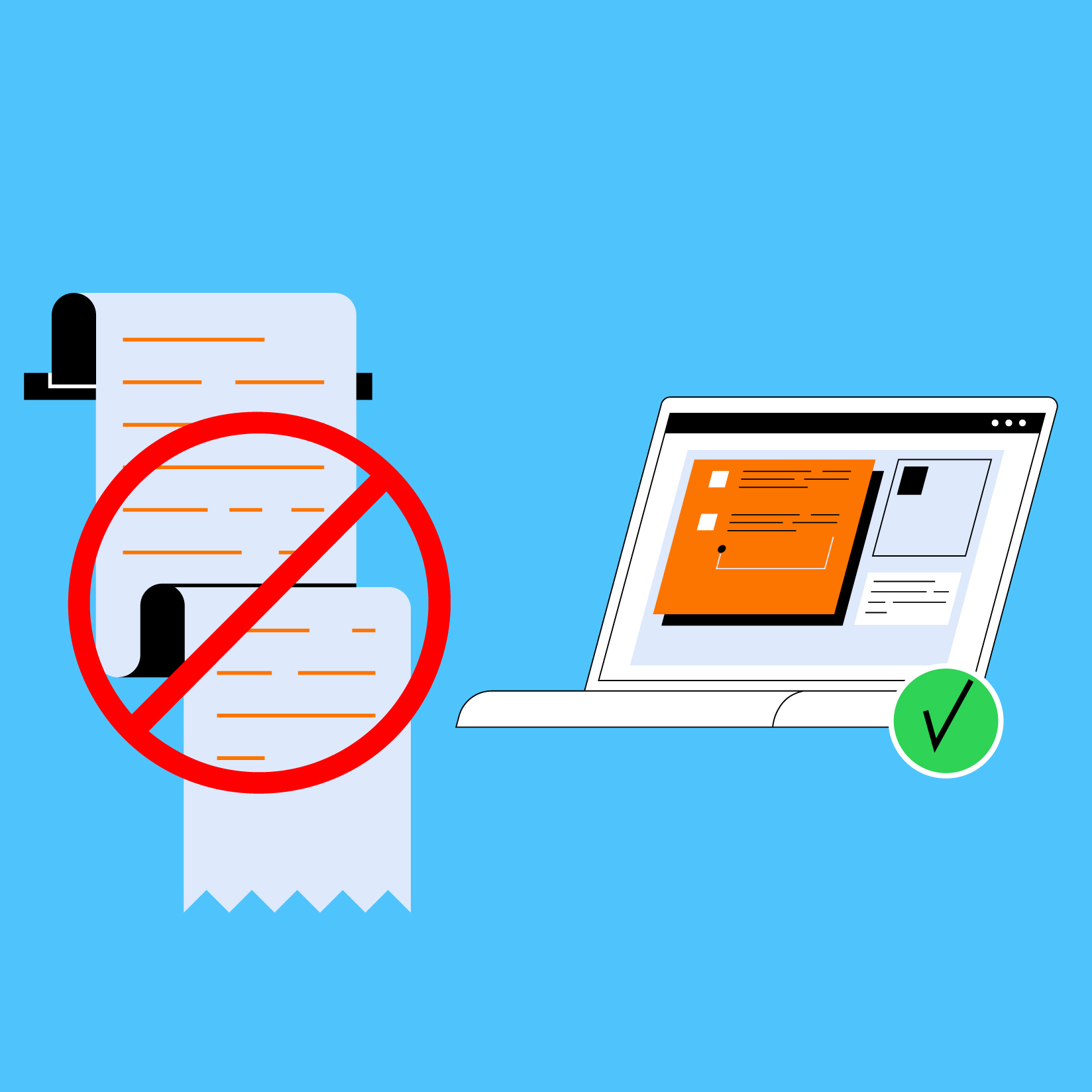
Consistently accurate financial statements, supported by organized documentation, are what ultimately convince a lender that a business is a safe bet. Keeping receipts, invoices, and bank records digitally organized through a platform like paperlesskenya.co.ke makes it far easier to produce the clean financial history that lenders increasingly expect before extending credit.
Owners should also periodically request their own credit report from a licensed credit reference bureau to confirm the information held about their business is accurate, since errors in these records can unfairly affect future loan applications if left uncorrected.
Businesses building credit should also monitor their obligations closely during periods of rapid growth, since expansion can strain cash flow in ways that make previously manageable repayments suddenly difficult to sustain.
A clean, well-documented financial history remains the clearest path to affordable credit for any growing Kenyan SME.
This kind of disciplined history, built gradually, becomes one of a small business's most valuable long-term assets.
 Paperless