Freelancers and independent consultants in Kenya, whether in IT, design, writing, or professional services, are responsible for their own tax compliance in a way that differs meaningfully from salaried employment.
Income earned as a freelancer is generally subject to individual income tax, and freelancers whose clients are required to withhold tax on professional fees should keep withholding certificates to offset against their final tax liability.
Freelancers should also track legitimate business expenses, such as internet, equipment, and a reasonable portion of home office costs, since these can reduce taxable income when properly documented and claimed.
Because freelance income can be irregular, setting aside a fixed percentage of each payment received for tax obligations, rather than spending the full amount and scrambling at filing time, avoids unpleasant surprises later.
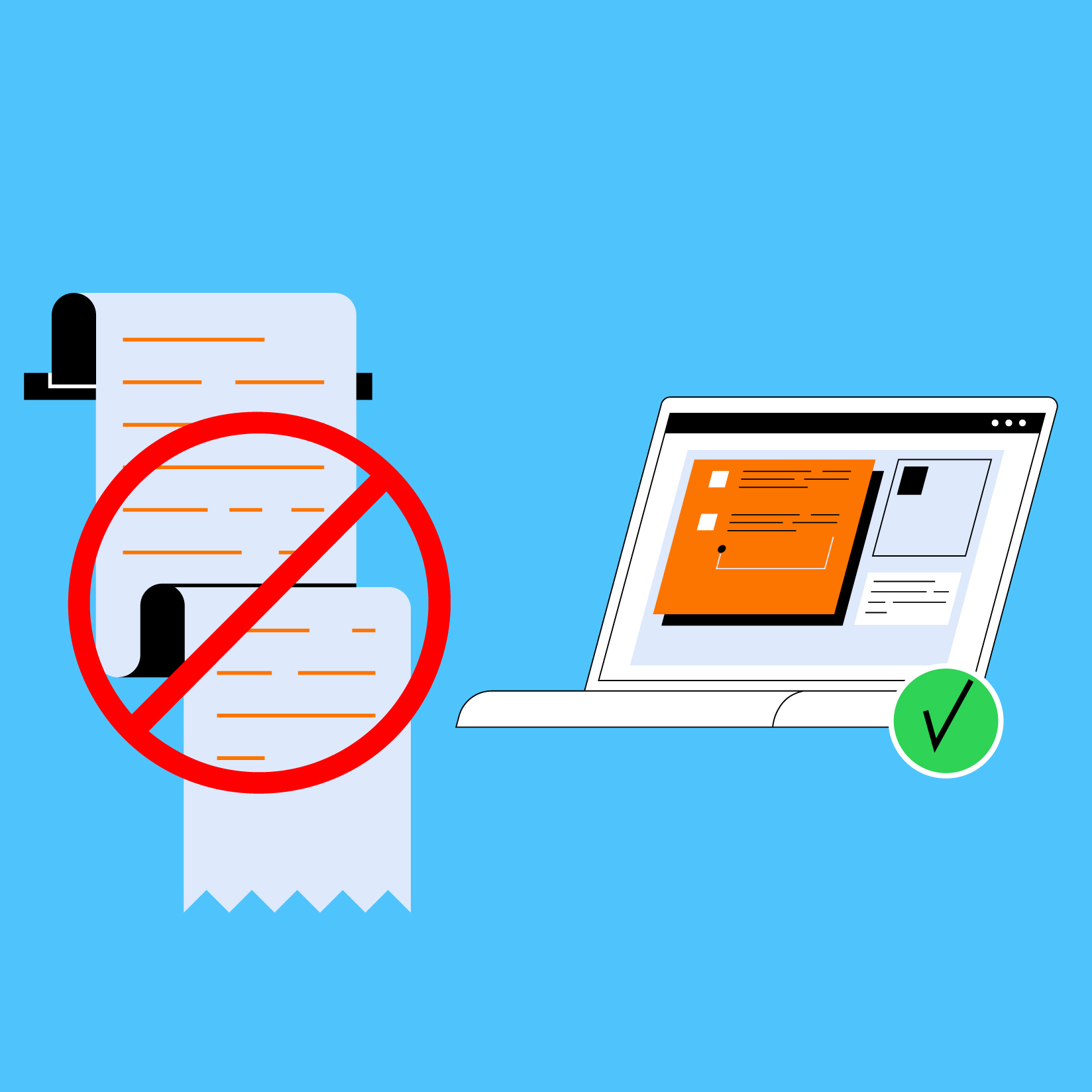
Keeping digital copies of client invoices, contracts, and expense receipts organized by year, through a service like paperlesskenya.co.ke, makes annual tax filing considerably smoother for freelancers who otherwise juggle income from multiple, irregular sources.
Freelancers should also consider the value of formalizing their status, whether registering as a sole trader or a limited company, once their income reaches a level where the added structure and credibility become worthwhile, since many corporate clients specifically prefer or require working with formally registered entities rather than individuals. Setting up a simple, consistent invoicing process from the very first client, rather than treating early work informally, builds good habits and a clean financial history that pays dividends both for tax compliance and eventual growth into a larger practice or agency.
Freelancers who build strong financial habits early consistently find the eventual transition to a formal, larger practice considerably smoother than those starting from scratch later.
Freelancers who build sound habits early consistently find their eventual growth into a larger practice considerably smoother than those starting from scratch.
This steady approach, sustained over months and years rather than attempted in a single burst, is ultimately what builds the kind of durable, well-managed business that can weather whatever comes next.
 Paperless