Choosing the right accounting software is one of the most important decisions a small business owner in Kenya can make, since the right tool saves hours every month and reduces costly errors in tax filing.
The best accounting software for a Kenyan SME supports local VAT and eTIMS requirements, works reliably on limited internet, and offers mobile money integration so sales can be recorded as they happen rather than reconstructed later from memory.
Many small businesses start with a well-organized spreadsheet or a free-tier mobile app before graduating to a paid platform, which is a perfectly reasonable approach provided the habit of consistent, daily recording is established early.
Cloud-based platforms allow an owner, bookkeeper, and accountant to view the same up-to-date figures from anywhere, which is particularly valuable for businesses with more than one location or a remote bookkeeper.
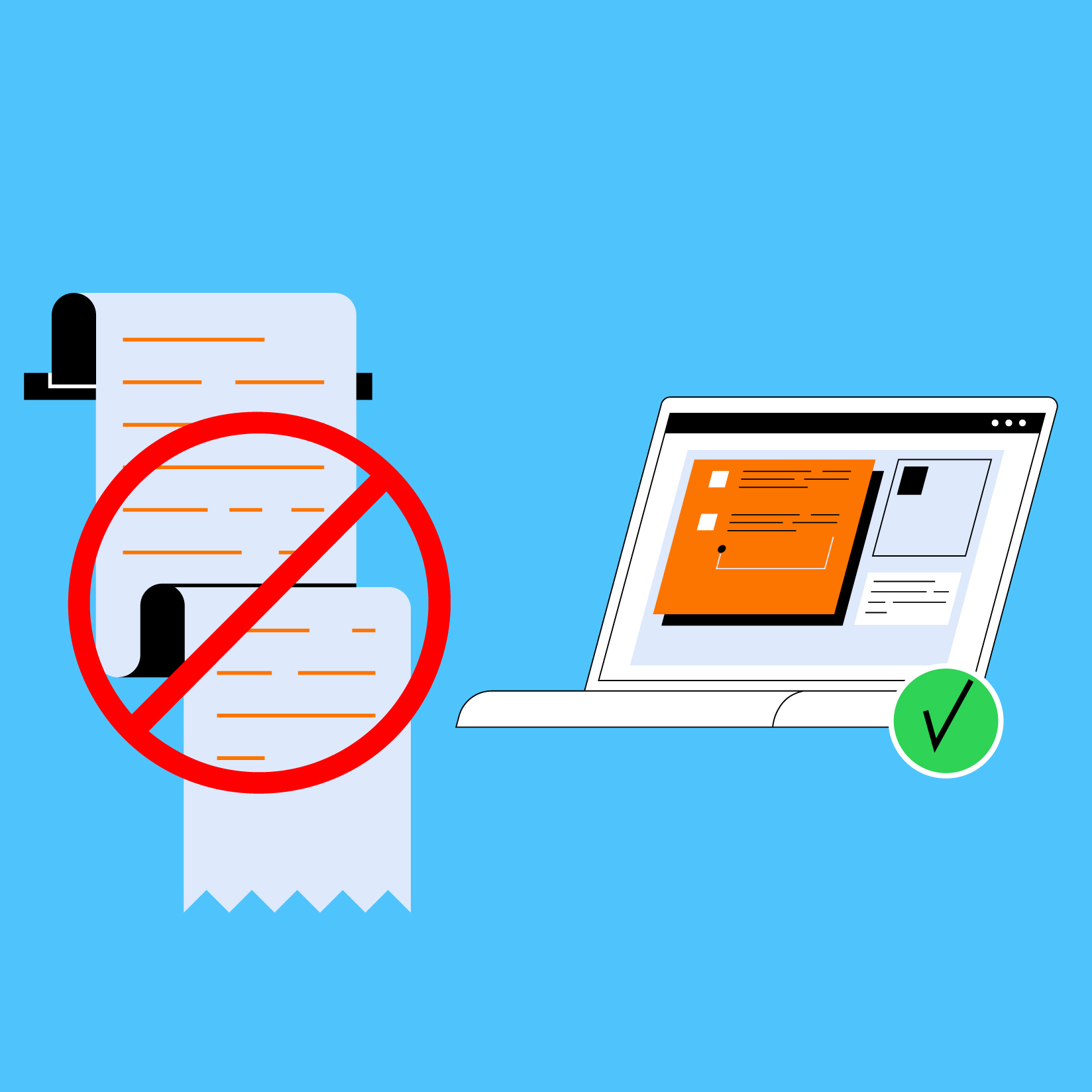
Accounting software is only as good as the receipts and invoices behind each entry, so pairing it with a digital document storage service such as paperlesskenya.co.ke ensures every transaction has a retrievable source document for tax season or an audit.
Whichever software a business chooses, consistency matters more than sophistication; a simple system used daily beats an advanced one used only occasionally.
A spreadsheet is a perfectly valid starting point for a very small business, provided it is updated consistently; most owners move to dedicated software once transaction volume or VAT compliance makes manual tracking too time-consuming.
Ultimately, the right accounting software is only as valuable as the discipline behind it; choose a tool that fits your business today and grows comfortably with you.
If you have not yet settled on a system, start this week: pick one tool, import your last month of transactions, and commit to updating it daily for the next thirty days before judging whether it fits.
 Paperless